
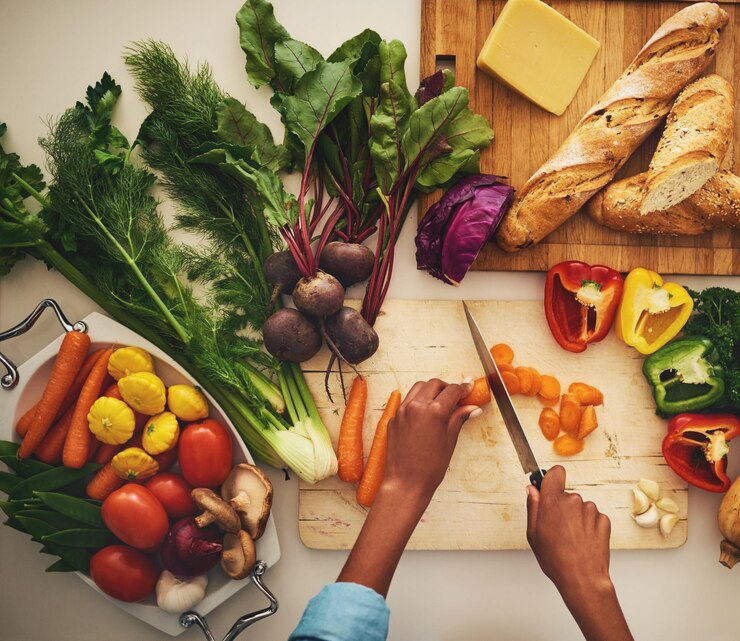
Sustainable eating focuses on making food choices that benefit the environment, support local farmers, and promote health. One of the simplest ways to practice sustainability is by using local produce. Locally grown fruits, vegetables, grains, and proteins reduce transportation emissions, encourage seasonal eating, and strengthen regional economies. Here are practical tips for incorporating local produce into your meals while eating sustainably.
Prioritize Seasonal Produce
Eating fruits and vegetables that are in season locally reduces reliance on long-distance transport and lowers carbon emissions. Seasonal produce is often fresher, more flavorful, and more nutrient-dense. Check farmers’ markets or local farm stores for items like summer berries, autumn squash, or winter citrus depending on the time of year. Plan meals around these ingredients for optimal taste and sustainability.
Support Farmers’ Markets and Community-Supported Agriculture (CSA)
Buying from farmers’ markets or participating in a CSA program directly supports local growers. You get fresh, often organic produce while fostering sustainable farming practices. CSAs also encourage eating a variety of crops, introducing you to vegetables or fruits you might not normally select.
Reduce Food Waste
Local produce tends to have a shorter shelf life than imported items, so proper storage and planning are essential. Store greens in breathable containers, root vegetables in cool, dark spaces, and berries in the fridge. Use leftover produce in soups, stews, or smoothies to minimize waste. Compost any scraps to return nutrients to the soil.
Cook at Home Using Simple Recipes
Cooking at home allows you to fully appreciate the flavors of local produce while controlling waste and packaging. Simple stir-fries, salads, roasted vegetables, or grain bowls highlight seasonal ingredients and reduce reliance on processed foods. Use herbs, spices, and citrus to enhance flavors without adding unnecessary salt or sugar.
Preserve Excess Produce
When local produce is abundant, consider freezing, pickling, or drying items to extend their usability. Berries, tomatoes, and peppers can be frozen, while cucumbers and carrots can be pickled. This allows you to enjoy local flavors even when the season ends.
Choose Local Proteins and Grains
Sustainable eating is not limited to fruits and vegetables. Support local dairy, eggs, poultry, and grains. Look for free-range or pasture-raised options and whole grains grown in your region. These choices reduce environmental impact compared to imported proteins and processed alternatives.
Plan Meals Around What’s Available
Create weekly meal plans that prioritize local ingredients. This minimizes the need for out-of-season imports and encourages a diverse diet. Experiment with unfamiliar vegetables or fruits and explore traditional recipes from your region to maximize your use of local resources.
Tips for Making Sustainable Eating Easy
Visit farmers’ markets regularly to understand seasonal availability.
Use reusable bags and containers to reduce packaging waste.
Store produce properly to prolong freshness.
Combine local grains, legumes, and vegetables for balanced, nutrient-rich meals.
Incorporating local produce into your meals is a simple yet impactful step toward sustainable eating. By prioritizing seasonal fruits and vegetables, supporting local farmers, reducing waste, and cooking at home, you can enjoy fresher, healthier meals while positively impacting the environment and your community. Sustainable eating with local produce benefits both you and the planet, making it a practical choice for everyday life.