
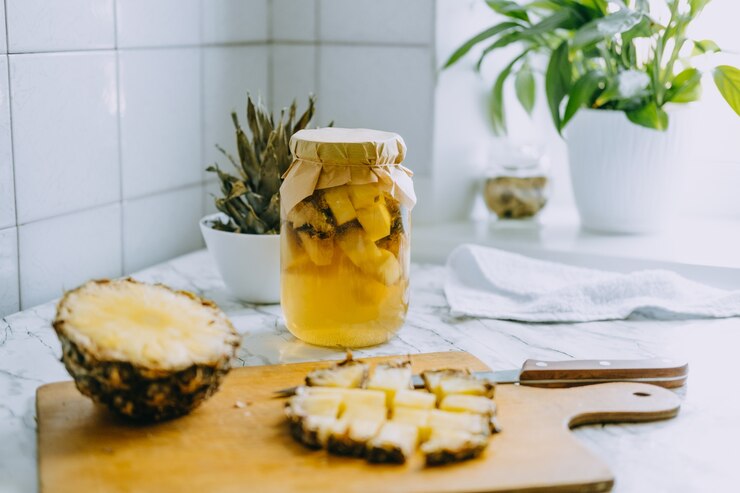
Tepache is a traditional Mexican fermented drink that has been enjoyed for generations thanks to its refreshing flavor and simple preparation. Made primarily from pineapple peels, water and unrefined sugar, this naturally fermented beverage transforms everyday kitchen scraps into a delicious drink with a lightly sweet, tangy and slightly fizzy taste. Brewing tepache at home is an excellent way to reduce food waste while exploring the fascinating world of natural fermentation. Unlike many fermented beverages, tepache is beginner-friendly because it requires only a handful of ingredients and very little specialized equipment. The fermentation process is relatively short, allowing you to enjoy your homemade drink within just a few days. Once you understand the basic method, you can easily experiment with different spices and flavors to create your own unique variations. This beginner’s guide will walk you through every step of brewing homemade tepache while helping you achieve delicious and consistent results.
What Is Tepache?
Tepache is a lightly fermented beverage traditionally made from the peel and core of fresh pineapples rather than the fruit itself. The natural yeast present on the pineapple skin combines with sugar and water to begin fermentation, producing gentle carbonation and a pleasantly tangy flavor. Cinnamon and cloves are commonly added to provide warmth and complexity, although many modern recipes include additional spices or fruit.
Unlike stronger fermented beverages, tepache typically contains only a very small amount of alcohol because of its short fermentation period. The finished drink is refreshing, lightly sparkling and naturally fruity, making it especially popular during warm weather.
Ingredients You’ll Need
Ingredients
- Peel and core from 1 ripe organic pineapple, thoroughly rinsed
- 2 liters filtered water
- 1 cup piloncillo, chopped, or dark brown sugar
- 1 cinnamon stick
- 3 whole cloves
- Optional fresh ginger slices
- Optional orange peel
Equipment
- Large glass jar or fermentation container
- Wooden spoon
- Cheesecloth or clean kitchen towel
- Rubber band or string
- Fine mesh strainer
- Glass bottles with lids for storage
Homemade Tepache Recipe
Instructions
Place the pineapple peels and core into a large clean glass jar.
Add the piloncillo or dark brown sugar, cinnamon stick, cloves and optional ginger or orange peel.
Pour the filtered water into the jar and stir well until the sugar begins dissolving.
Cover the jar with a clean cheesecloth or kitchen towel and secure it with a rubber band. This allows air circulation while preventing insects and debris from entering.
Place the jar in a cool location away from direct sunlight.
Stir the mixture once daily using a clean wooden spoon.
Allow the tepache to ferment for two to four days depending on the room temperature and your preferred level of tanginess. Warmer environments usually speed up fermentation.
Taste the liquid each day after the second day. Once it reaches the desired balance of sweetness and acidity, strain out the pineapple peels and spices using a fine mesh strainer.
Transfer the strained tepache into clean glass bottles and refrigerate immediately.
For additional natural carbonation, leave the sealed bottles at room temperature for 12 to 24 hours before refrigerating. Open the bottles carefully because pressure can build during this secondary fermentation.
Serve well chilled over ice.
Tips for Successful Tepache Fermentation
Always use fresh pineapple with healthy-looking skin because the natural yeast on the peel drives the fermentation process. Organic pineapples are often preferred since they are less likely to carry waxes or chemical residues that could interfere with fermentation. Clean all equipment thoroughly before beginning to reduce the risk of unwanted bacteria. Filtered water is recommended because chlorine in tap water may slow natural fermentation. Stirring the mixture daily distributes the yeast and sugar evenly while helping prevent mold from developing on exposed fruit. Taste the tepache regularly because fermentation speed varies depending on temperature. Refrigerating the finished drink slows fermentation and preserves its fresh flavor.
Common Mistakes to Avoid
Using damaged or moldy pineapple peels can spoil the entire batch and should always be avoided. Sealing the fermentation jar tightly during the initial fermentation stage prevents proper airflow and may interfere with the natural process. Leaving the tepache to ferment for too long can produce an overly sour drink that loses its pleasant balance. Forgetting to strain the liquid once fermentation is complete may continue the fermentation longer than intended. Poorly cleaned equipment increases the risk of contamination, so sanitation is essential throughout the process. When naturally carbonating bottled tepache, always check the bottles regularly because pressure can build quickly. Paying attention to these details helps produce a safe and flavorful homemade beverage.
Flavor Variations to Try
Once you are comfortable with the basic recipe, there are many ways to personalize your homemade tepache. Fresh ginger adds a pleasant spicy kick that pairs beautifully with pineapple. Orange peel contributes bright citrus notes that enhance the drink’s refreshing character. Star anise introduces subtle licorice flavors, while whole allspice berries create additional warmth and complexity. A few slices of fresh turmeric provide both color and earthy flavor. Some brewers enjoy adding a small amount of fresh mint after fermentation for a cooling finish. Experimenting with different spice combinations allows you to create a version that perfectly matches your personal taste.
How to Serve Tepache
Tepache is best served well chilled over plenty of ice. Garnish with fresh pineapple wedges, lime slices or mint leaves for an attractive presentation. It pairs wonderfully with grilled meats, tacos, roasted vegetables and spicy Mexican dishes because its refreshing acidity balances rich flavors. Tepache can also be mixed with sparkling water for a lighter drink or used as the base for creative mocktails. For festive occasions, serve it in chilled glasses with cinnamon sticks or citrus slices. Because it is lightly sparkling and naturally fruity, it also makes an excellent nonalcoholic refreshment for gatherings. Serving it cold ensures the flavors remain crisp and refreshing.
Brewing tepache at home is an enjoyable way to explore traditional fermentation while making excellent use of fresh pineapple scraps. With only a few simple ingredients and minimal equipment, you can create a naturally refreshing drink that is lightly sweet, pleasantly tangy and gently sparkling. Following proper fermentation techniques helps ensure consistent flavor while allowing you to customize the recipe with your favorite spices and citrus additions. Homemade tepache is not only economical but also an excellent way to reduce food waste by transforming pineapple peels into something truly delicious. As your confidence grows, you can experiment with new ingredients and fermentation times to develop your own signature version. Sharing freshly brewed tepache with family and friends is a wonderful way to introduce them to this traditional Mexican beverage. Keep this beginner-friendly recipe in your collection whenever you want to enjoy a refreshing homemade fermented drink full of natural flavor.