
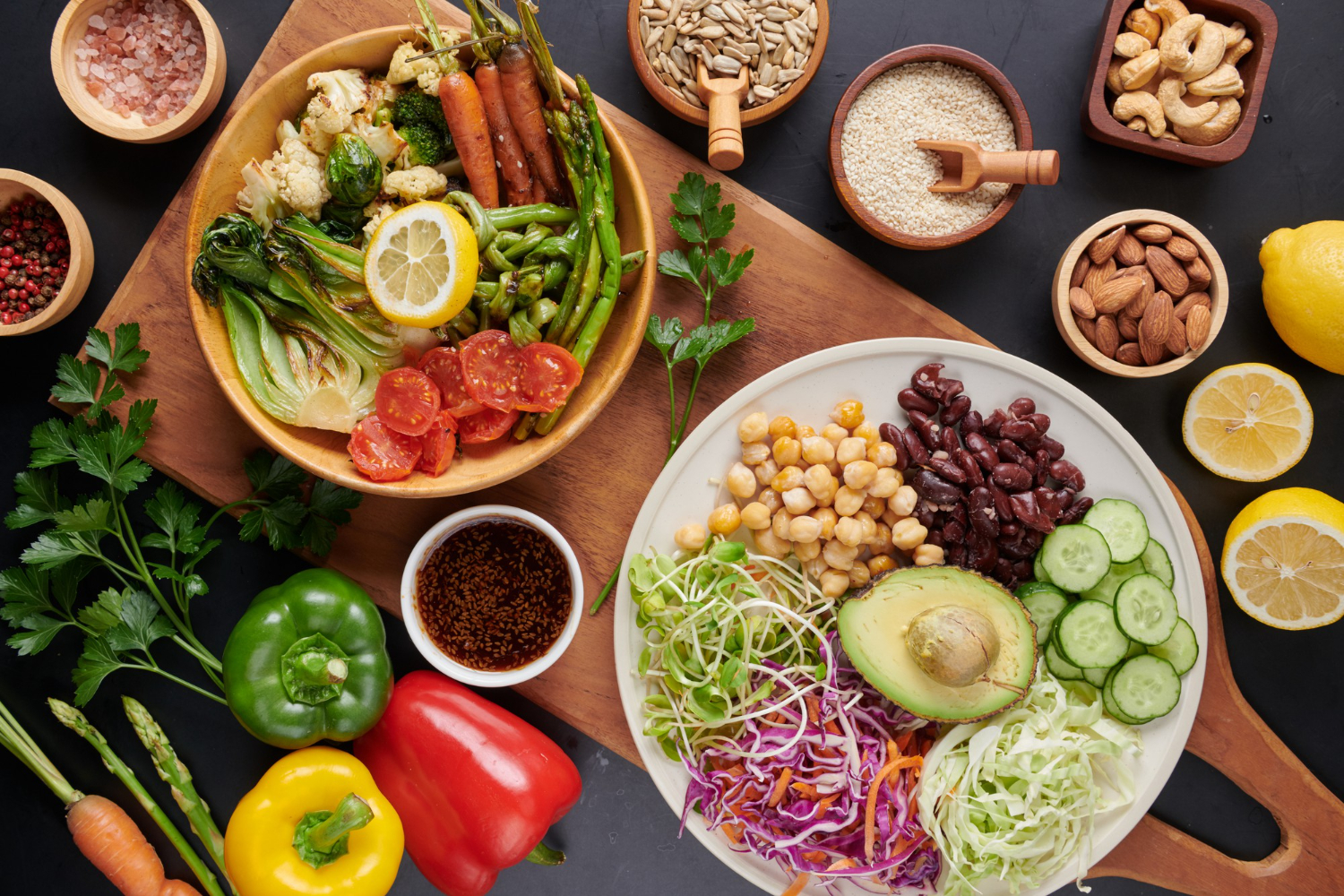
Making healthier food choices does not mean giving up the meals and snacks you love. Small ingredient swaps can significantly improve the nutritional value of your favorite dishes while still delivering satisfying flavor and texture. An anti-inflammatory eating pattern focuses on whole foods that provide vitamins, minerals, fiber and healthy fats while limiting highly processed ingredients. Many everyday pantry staples can easily be replaced with more nutritious alternatives that support overall wellbeing. These simple changes are practical, affordable and easy to incorporate into daily meals without completely changing the way you cook. Over time, these consistent choices can help you build a more balanced diet while still enjoying familiar comfort foods. Here are some of the best anti-inflammatory food swaps that can transform your meals without sacrificing taste.
What Is an Anti-Inflammatory Diet?
An anti-inflammatory diet emphasizes whole, minimally processed foods that naturally contain nutrients known to support overall health. These include fruits, vegetables, whole grains, legumes, nuts, seeds, healthy oils and oily fish. While inflammation is a normal part of the body’s healing process, consistently eating large amounts of highly processed foods, sugary snacks and unhealthy fats may contribute to long-term health concerns.
The goal is not to eliminate every favorite food but to make smarter choices more often. Even replacing one or two ingredients in a meal can improve its nutritional quality.
Swap White Bread for Whole Grain Bread
White bread is made from refined flour that contains less fiber than whole grain varieties. Whole grain bread provides more fiber, B vitamins and minerals, helping you stay fuller for longer while supporting healthy digestion.
Use whole grain bread for sandwiches, toast and homemade breadcrumbs. It delivers a heartier texture and richer flavor while providing more nutritional value.
Replace White Rice with Brown Rice or Quinoa
White rice is a popular staple, but brown rice and quinoa offer more fiber and important nutrients. Brown rice retains its bran layer, while quinoa provides additional protein and essential amino acids.
These alternatives pair well with curries, stir-fries, grilled meats and roasted vegetables. Their nutty flavor also adds extra depth to everyday meals.
Choose Sweet Potatoes Instead of Regular Chips
Deep-fried potato chips are often high in saturated fat and sodium. Baked sweet potato wedges provide fiber, vitamin A and natural sweetness while remaining satisfying.
Slice sweet potatoes into wedges, season with olive oil, paprika and herbs, then roast until crisp. They make an excellent side dish for burgers, grilled chicken or fish.
Swap Sugary Breakfast Cereals for Plain Greek Yogurt with Fruit
Many breakfast cereals contain large amounts of added sugar. Plain Greek yogurt topped with fresh fruit, seeds and a handful of nuts provides protein, calcium and healthy fats.
Adding berries, sliced banana or chopped apple creates natural sweetness without relying on refined sugar.
Replace Processed Snacks with Nuts and Seeds
Packets of crisps and processed snack foods are often high in sodium and unhealthy fats. A handful of almonds, walnuts, pumpkin seeds or sunflower seeds provides healthy fats, protein and fiber.
These snacks are filling, portable and easy to include in lunch boxes or workday snacks.
Use Olive Oil Instead of Butter for Everyday Cooking
Extra virgin olive oil is rich in monounsaturated fats and natural antioxidants. While butter can still be enjoyed occasionally, olive oil is generally a better choice for everyday cooking and salad dressings.
Drizzle olive oil over roasted vegetables, use it in marinades or prepare homemade vinaigrettes for salads.
Replace Sugary Soft Drinks with Infused Water
Soft drinks often contain large amounts of added sugar without offering nutritional benefits. Infused water made with lemon, cucumber, mint, berries or orange slices provides refreshing flavor without unnecessary sugar.
Sparkling water with fresh citrus is another satisfying alternative for those who enjoy fizzy drinks.
Swap Cream-Based Sauces for Tomato or Yogurt-Based Sauces
Rich cream sauces can be high in saturated fat. Tomato-based sauces and plain Greek yogurt provide lighter alternatives while still delivering plenty of flavor.
Greek yogurt works well in pasta sauces, dips, baked potatoes and homemade salad dressings. Tomato sauces are naturally rich in antioxidants and pair well with pasta, meatballs and vegetables.
Choose Fresh Fruit Instead of Sugary Desserts
Cakes, pastries and sweets are delicious treats, but they often contain refined flour and added sugars. Fresh fruit satisfies sweet cravings while supplying vitamins, minerals and fiber.
Serve sliced fruit with plain yogurt, a sprinkle of cinnamon or a handful of chopped nuts for a simple dessert.
Replace Processed Meats with Lean Proteins
Processed meats such as sausages and certain deli meats often contain high levels of sodium and preservatives. Lean chicken, turkey, fish, beans and lentils provide excellent protein while fitting more easily into an anti-inflammatory eating pattern.
These ingredients can be used in sandwiches, salads, soups, curries and casseroles.
Swap Refined Pasta for Whole Wheat or Legume Pasta
Whole wheat pasta contains more fiber than traditional refined pasta, while legume pasta made from lentils or chickpeas also provides additional protein.
These alternatives cook similarly to regular pasta and work well with tomato sauces, roasted vegetables and lean meats.
Replace Mayonnaise with Avocado or Greek Yogurt
Traditional mayonnaise is commonly used in sandwiches and salads, but mashed avocado or plain Greek yogurt provides a creamy texture with additional nutrients.
Avocado supplies healthy fats, while Greek yogurt adds protein and calcium. Both options make delicious spreads and salad dressings.
Choose Herbs and Spices Instead of Extra Salt
Reducing salt does not mean reducing flavor. Fresh herbs and spices such as garlic, ginger, turmeric, paprika, rosemary, thyme, parsley and basil add depth and aroma to meals.
Experimenting with different seasoning combinations keeps meals exciting while reducing reliance on excess sodium.
Simple Tips for Building an Anti-Inflammatory Kitchen
Keep plenty of fresh fruit and vegetables available for quick snacks and meal preparation. Stock your pantry with whole grains, legumes, herbs, spices and healthy oils to make nutritious cooking easier. Choose frozen vegetables when fresh produce is unavailable because they retain many of their nutrients. Read food labels carefully to identify products high in added sugar, sodium and unhealthy fats. Prepare meals at home more often to control ingredient quality and portion sizes. Introduce one healthy swap at a time rather than changing everything at once. Small, consistent improvements are often easier to maintain over the long term.
Eating an anti-inflammatory diet does not require giving up your favorite foods or following restrictive eating habits. Instead, it focuses on making thoughtful ingredient swaps that improve nutrition while preserving the flavors you already enjoy. Replacing refined grains, sugary snacks and heavily processed foods with wholesome alternatives can help create more balanced meals throughout the day. These simple changes also introduce more fiber, healthy fats, vitamins and minerals into your everyday diet without adding unnecessary complexity. Building healthier eating habits gradually makes them easier to maintain and more enjoyable over time. Every nutritious swap, no matter how small, contributes to better overall food choices and a more varied diet. Start with a few of these practical changes and discover how easy it is to enjoy familiar meals while making them more nourishing and satisfying.