
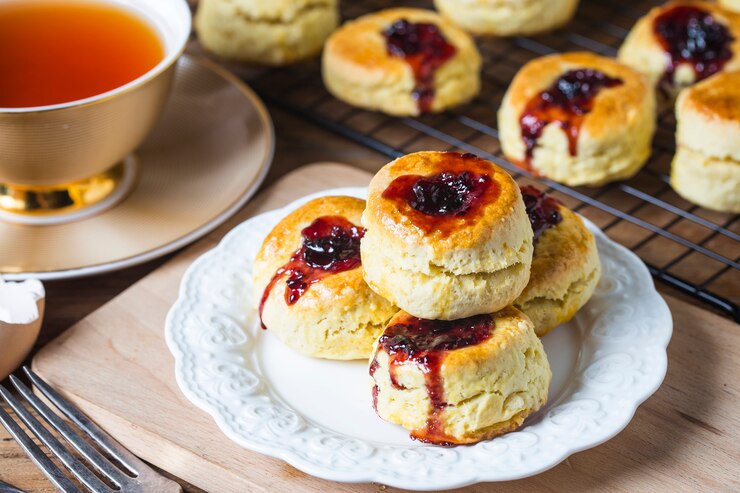
Homemade scones are one of those simple bakes that can turn an ordinary afternoon into something special. Their soft centres, lightly crisp edges and buttery flavour make them perfect for breakfast, teatime or a relaxed weekend treat. While classic scones are delicious on their own, adding creative flavour combinations can transform the familiar recipe into something completely different. From savoury cheddar and chive scones to sweet lemon and blueberry versions, there are countless ways to experiment with this versatile bake. Scones are also quick to prepare, making them an excellent choice when you want freshly baked food without spending hours in the kitchen. With a few basic ingredients and the right mixing technique, you can create bakery-style scones that are tender, flavourful and beautifully golden. These homemade scone recipes offer a variety of sweet and savoury combinations that are easy to make and perfect for sharing.
What Makes Homemade Scones So Good?
A good homemade scone should have a tender interior, a lightly golden exterior and enough structure to hold its shape without becoming heavy. The secret starts with handling the dough gently because overmixing can develop too much gluten and produce tough scones. Cold butter is particularly important because small pieces of butter create pockets of richness as the scones bake. The liquid should be added gradually so the dough comes together without becoming overly wet or sticky. Once the dough forms, it should be handled only enough to bring the ingredients together and shape it into an even layer. Cutting the scones with a sharp cutter also helps them rise neatly in the oven.
Classic Vanilla and Buttermilk Scones
This classic recipe is an excellent base for anyone learning how to make homemade scones. Buttermilk adds a gentle tang while helping create a soft texture, and a little vanilla gives the scones a warm sweetness. These scones are delicious served with butter, jam, cream or honey, but they can also be used as the foundation for more creative flavour combinations.
Ingredients
- 500 g cake flour
- 20 g baking powder
- 80 g white sugar
- 2 ml salt
- 125 g cold butter, cubed
- 2 large eggs
- 250 ml buttermilk
- 5 ml vanilla extract
- Extra buttermilk for brushing
Method
Preheat the oven to 220°C and line a baking tray with baking paper. Sift the flour, baking powder, sugar and salt into a large mixing bowl. Add the cold butter and rub it into the flour using your fingertips until the mixture resembles coarse breadcrumbs. Beat the eggs, buttermilk and vanilla together in a separate bowl. Pour the wet ingredients into the dry ingredients and mix gently with a wooden spoon until a soft dough forms. Turn the dough onto a lightly floured surface and gently pat it to about 2 cm thick. Use a floured round cutter to cut out the scones without twisting the cutter. Place them close together on the prepared baking tray, brush the tops with a little buttermilk and bake for 12 to 15 minutes until risen and golden. Serve warm with butter, jam or your favourite topping.
Lemon and Blueberry Scones
Lemon and blueberry make a naturally delicious combination because the sharp citrus flavour balances the sweetness of the berries. Fresh lemon zest gives the dough a bright aroma while blueberries add bursts of juicy sweetness throughout each scone. These are particularly good for breakfast or afternoon tea and can be finished with a simple lemon glaze for extra flavour.
Ingredients
- 500 g cake flour
- 20 g baking powder
- 90 g white sugar
- 2 ml salt
- 125 g cold butter, cubed
- 180 g fresh or frozen blueberries
- Zest of 1 lemon
- 2 large eggs
- 250 ml buttermilk
- 5 ml vanilla extract
For the Glaze
- 100 g icing sugar
- 15 ml fresh lemon juice
Method
Preheat the oven to 220°C and line a baking tray. Sift the flour, baking powder, sugar and salt into a bowl. Rub in the cold butter until the mixture resembles coarse crumbs. Stir in the lemon zest and blueberries carefully so the berries remain as intact as possible. Whisk the eggs, buttermilk and vanilla together, then add them to the flour mixture. Mix gently until a soft dough forms, taking care not to overwork it. Pat the dough onto a lightly floured surface and cut it into rounds or wedges. Arrange the scones on the baking tray and bake for 12 to 15 minutes until golden. Mix the icing sugar and lemon juice to make a smooth glaze and drizzle it over the slightly cooled scones.
Cheddar and Chive Scones
Scones do not have to be sweet, and cheddar and chives create a savoury version that works beautifully alongside soup, salads or a light lunch. The cheese melts into the dough while the chives add a fresh onion flavour without overpowering the bake. A little black pepper gives the scones additional warmth and makes them particularly satisfying when served straight from the oven.
Ingredients
- 500 g cake flour
- 20 g baking powder
- 5 ml salt
- 2 ml black pepper
- 125 g cold butter, cubed
- 180 g mature cheddar cheese, grated
- 30 g fresh chives, finely chopped
- 2 large eggs
- 250 ml buttermilk
- 5 ml Dijon mustard
Method
Preheat the oven to 220°C and prepare a lined baking tray. Sift the flour and baking powder into a large bowl, then add the salt and black pepper. Rub in the cold butter until the mixture resembles breadcrumbs. Stir through the grated cheddar and chopped chives. Whisk together the eggs, buttermilk and Dijon mustard. Add the wet mixture to the dry ingredients and stir gently until the dough just comes together. Pat the dough to approximately 2 cm thick and cut into rounds. Place the scones on the tray and bake for 12 to 15 minutes until puffed and golden. Serve warm with butter or alongside a bowl of soup.
Cinnamon, Apple and Walnut Scones
Cinnamon, apple and walnuts give these scones the comforting flavours associated with homemade autumn and winter baking. The apple adds moisture and natural sweetness while the walnuts provide a pleasant crunch. A small amount of cinnamon creates warmth without making the flavour too strong. These scones are especially good served warm with butter or a drizzle of honey.
Ingredients
- 500 g cake flour
- 20 g baking powder
- 80 g brown sugar
- 5 ml ground cinnamon
- 2 ml salt
- 125 g cold butter, cubed
- 1 medium apple, peeled and finely diced
- 70 g walnuts, chopped
- 2 large eggs
- 250 ml buttermilk
- 5 ml vanilla extract
Method
Preheat the oven to 220°C and line a baking tray. Sift the flour and baking powder into a bowl before adding the brown sugar, cinnamon and salt. Rub in the cold butter until the mixture resembles coarse breadcrumbs. Stir through the diced apple and chopped walnuts. Whisk together the eggs, buttermilk and vanilla, then add them to the flour mixture. Mix gently until a soft dough forms. Turn the dough onto a floured surface and pat it to about 2 cm thick. Cut into rounds or wedges and arrange on the baking tray. Bake for 13 to 16 minutes until risen and golden. Allow the scones to cool for a few minutes before serving.
Chocolate and Orange Scones
Chocolate and orange bring together rich sweetness and bright citrus in a combination that works surprisingly well in a simple scone. Dark chocolate chips add pockets of melted chocolate while orange zest keeps the flavour fresh rather than overly rich. These scones are ideal for a special breakfast, dessert-style tea or a weekend baking project.
Ingredients
- 500 g cake flour
- 20 g baking powder
- 90 g white sugar
- 2 ml salt
- 125 g cold butter, cubed
- 120 g dark chocolate chips
- Zest of 1 large orange
- 2 large eggs
- 250 ml buttermilk
- 5 ml vanilla extract
Method
Preheat the oven to 220°C and line a baking tray with baking paper. Sift together the flour and baking powder, then stir in the sugar and salt. Rub in the cold butter until fine crumbs form. Add the chocolate chips and orange zest and stir gently. Whisk the eggs, buttermilk and vanilla together in a separate bowl. Add the wet ingredients to the dry ingredients and mix until a soft dough forms. Pat the dough onto a floured surface and cut into rounds. Bake for 12 to 15 minutes until golden and risen. Serve warm or allow them to cool before adding a light dusting of icing sugar.
Feta, Spinach and Herb Scones
Feta, spinach and fresh herbs create a savoury scone that can easily become part of a light lunch or brunch spread. The salty feta works particularly well with the mild spinach while herbs add freshness to every bite. These scones are also a useful way to turn a few simple ingredients into something substantial and satisfying.
Ingredients
- 500 g cake flour
- 20 g baking powder
- 5 ml salt
- 2 ml black pepper
- 125 g cold butter, cubed
- 100 g baby spinach, finely chopped
- 150 g feta cheese, crumbled
- 30 g fresh parsley, chopped
- 15 g fresh chives, chopped
- 2 large eggs
- 250 ml buttermilk
Method
Preheat the oven to 220°C and line a baking tray. Sift the flour and baking powder into a large bowl and add the salt and pepper. Rub in the butter until the mixture resembles breadcrumbs. Add the spinach, feta, parsley and chives and mix gently. Beat the eggs and buttermilk together, then pour them into the dry mixture. Stir just until a soft dough forms, taking care not to overmix. Pat the dough to about 2 cm thick on a lightly floured surface and cut into rounds. Place the scones on the prepared tray and bake for 13 to 16 minutes until golden. Serve warm with butter or cream cheese.
Caramelised Onion and Rosemary Scones
Caramelised onion and rosemary give these scones a rich savoury flavour that feels more sophisticated than a traditional plain scone. The onions bring natural sweetness while rosemary provides a fragrant herbal note. These are excellent served as part of a brunch table or alongside roasted vegetables, soup or a fresh green salad.
Ingredients
- 500 g cake flour
- 20 g baking powder
- 5 ml salt
- 2 ml black pepper
- 125 g cold butter, cubed
- 2 medium onions, thinly sliced
- 15 ml olive oil
- 10 ml fresh rosemary, finely chopped
- 120 g grated cheddar cheese
- 2 large eggs
- 250 ml buttermilk
Method
Heat the olive oil in a frying pan over medium-low heat and cook the onions slowly for 15 to 20 minutes until soft and golden. Set aside to cool slightly. Preheat the oven to 220°C and line a baking tray. Sift the flour and baking powder into a large bowl and add the salt and pepper. Rub in the cold butter until the mixture resembles breadcrumbs. Stir in the caramelised onions, rosemary and cheddar cheese. Beat the eggs and buttermilk together before adding them to the flour mixture. Mix gently until a soft dough forms. Pat the dough to approximately 2 cm thick and cut into rounds. Bake for 13 to 16 minutes until golden and cooked through.
Strawberry and Vanilla Scones
Strawberry and vanilla scones are a simple way to bring fresh seasonal fruit into homemade baking. Chopped strawberries add colour and sweetness while vanilla gives the dough a delicate bakery-style aroma. The fruit should be relatively firm so it does not release too much liquid into the dough. These scones are delicious served with whipped cream, fresh strawberries or a spoonful of strawberry jam.
Ingredients
- 500 g cake flour
- 20 g baking powder
- 90 g white sugar
- 2 ml salt
- 125 g cold butter, cubed
- 180 g strawberries, finely chopped
- 2 large eggs
- 250 ml buttermilk
- 10 ml vanilla extract
Method
Preheat the oven to 220°C and line a baking tray. Sift the flour and baking powder into a bowl, then add the sugar and salt. Rub in the butter until the mixture resembles coarse breadcrumbs. Add the chopped strawberries and gently fold them through the flour. Whisk together the eggs, buttermilk and vanilla before adding the mixture to the bowl. Stir gently until the dough just comes together. Turn the dough onto a lightly floured surface and pat it to about 2 cm thick. Cut into rounds and place on the baking tray. Bake for 12 to 15 minutes until golden and risen. Serve warm with cream, butter or strawberry jam.
Tips for Making Light and Tender Scones
The temperature of your ingredients can make a noticeable difference to the finished texture of homemade scones. Keep the butter cold and avoid allowing it to soften completely while you work. Handle the dough gently and stop mixing as soon as the ingredients come together. A dough that looks slightly rough before baking is often preferable to one that has been kneaded until smooth. Do not flatten the dough too much because scones need enough height to rise properly in the oven. Cutting straight down with the cutter rather than twisting it helps the layers rise evenly. Baking in a fully preheated oven is also important because the initial heat encourages the scones to rise quickly.
How to Create Your Own Scone Flavour Combinations
Once you have mastered a basic scone dough, you can experiment with different ingredients according to the type of flavour you want. Sweet combinations can include pear and ginger, cranberry and orange, banana and cinnamon or white chocolate and macadamia nuts. For savoury scones, try roasted red pepper and feta, sweetcorn and cheddar, bacon and spring onion or mushroom and thyme. Strong ingredients should be used carefully because too much cheese, fruit or wet filling can make the dough heavy. Dried fruit works particularly well because it adds sweetness without introducing too much moisture. Fresh herbs, citrus zest, spices, nuts and seeds are also excellent ways to add flavour without changing the structure of the dough too much.
Serving and Storing Homemade Scones
Freshly baked scones are at their best when served slightly warm because the crumb remains soft and the butter melts beautifully into the centre. Sweet scones can be served with butter, jam, whipped cream, honey, caramel sauce or fresh fruit depending on their flavour profile. Savoury versions pair well with soup, scrambled eggs, salads, roasted vegetables or cream cheese. If you need to store them, allow the scones to cool completely before placing them in an airtight container. They are best enjoyed within two days, although they can be gently reheated in the oven before serving. Scone dough can also be prepared ahead and stored covered in the refrigerator for a short period before baking. For longer storage, baked scones can be frozen and reheated when needed.
Easy Ways to Make Scones More Special
Presentation can make a simple batch of homemade scones feel suitable for a special occasion without requiring complicated decoration. Brush the tops with buttermilk before baking to encourage an attractive golden finish. Sweet scones can be finished with icing sugar, a simple citrus glaze or a small amount of melted chocolate. For savoury versions, sprinkle grated cheese, seeds or chopped herbs over the tops before they go into the oven. Serving several different flavours together can also create an impressive afternoon tea platter. Use a mixture of round and wedge-shaped scones for visual variety while keeping the recipes themselves simple. Small scones are particularly useful for parties because guests can sample different flavours without committing to a large portion.
Homemade scones are a versatile bake that can move easily from a simple breakfast to an impressive afternoon tea or savoury lunch accompaniment. The basic dough provides a reliable starting point while ingredients such as fresh fruit, citrus zest, cheese, herbs, chocolate, nuts and spices allow you to create completely different flavour combinations. Sweet options such as lemon and blueberry or strawberry and vanilla bring freshness to the table, while cheddar and chive or feta and spinach offer satisfying savoury alternatives. Keeping the butter cold and handling the dough gently are two of the most important steps for achieving light, tender scones. Baking them in a properly heated oven also helps create the golden exterior and soft centre that make freshly baked scones so appealing. Once you understand the basic method, experimenting with new combinations becomes an easy way to use seasonal ingredients and create something personal. With these recipes and techniques, homemade scones can become a regular favourite whenever you want a quick, comforting and flavourful bake.