
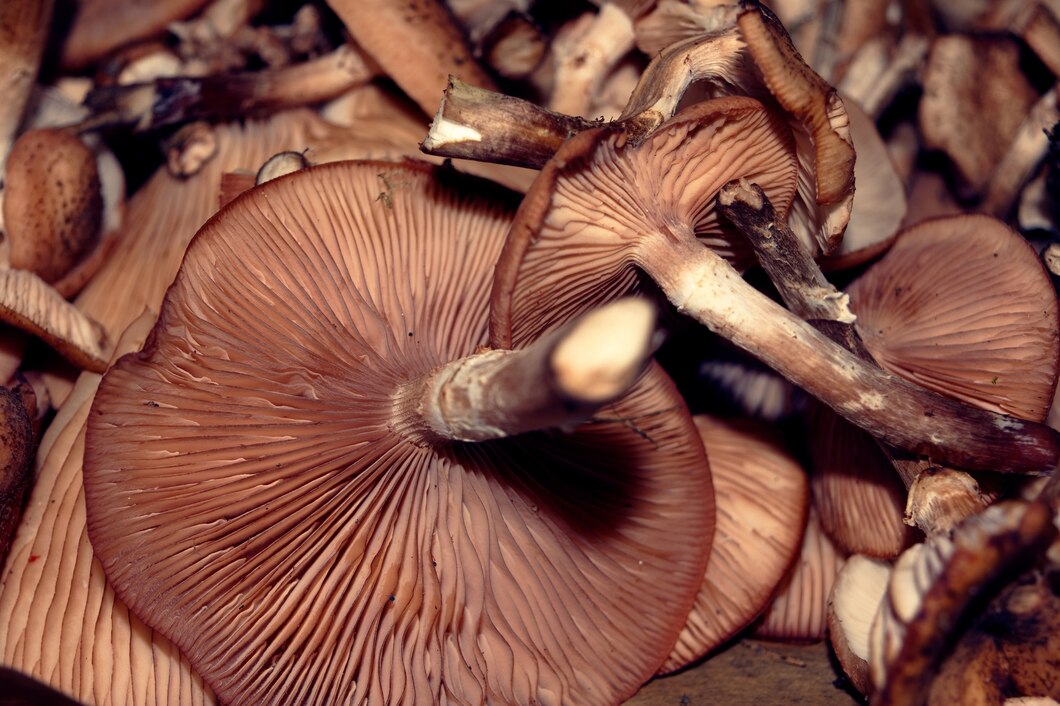
Mushroom foraging can be a delightful and rewarding experience, but it comes with the crucial responsibility of distinguishing between edible and poisonous varieties. While some mushrooms are delectable additions to culinary adventures, others can be toxic and pose serious health risks. Here are 10 ways to identify poisonous mushrooms, ensuring your foraging endeavors remain safe and enjoyable.
1. Color Matters:
- Pay close attention to the color of the mushroom. While many edible mushrooms exhibit earthy tones like browns and whites, vibrant colors like red, yellow, and green are often indicators of toxicity.
2. Gills and Spore Prints:
- Examine the gills beneath the mushroom cap. A dark spore print or brightly colored gills may suggest toxicity. Edible mushrooms typically have neutral-colored gills.
3. Odor Check:
- Take note of the mushroom’s scent. Foul or unpleasant odors can be a sign of toxicity. Edible mushrooms often have a mild or pleasant aroma.
4. Cap Characteristics:
- Evaluate the cap’s shape and texture. Poisonous mushrooms may have slimy, warty, or irregularly shaped caps. Edible varieties usually have smoother and more uniform caps.
5. Ring or Volva Presence:
- Some poisonous mushrooms feature a ring or volva (a cup-like structure at the base). Absence of these structures doesn’t guarantee edibility, but their presence can be a warning sign.
6. Bruising and Discoloration:
- Handle the mushroom gently. If it bruises or changes color, it might be toxic. Many edible mushrooms resist discoloration or bruising when touched.
7. Habitat Awareness:
- Consider the environment where the mushrooms grow. Some toxic species favor specific habitats, so knowing the surroundings can aid in identification.
8. Stalk Examination:
- Inspect the stalk for any distinctive features. Mushrooms with a bulbous base or an off-center stalk may be harmful. Edible mushrooms often have a consistent and central stalk.
9. Expert Consultation:
- If uncertain, consult with an experienced mycologist or local expert. Mushroom identification guides and online forums can provide valuable insights, but expert advice is irreplaceable.
10. Leave-No-Doubt Approach:
- When in doubt, leave the mushroom untouched. Consuming unidentified mushrooms is risky, and the potential consequences outweigh the temporary thrill of discovery.
Safety Reminders:
- Educate Yourself: Invest time in learning about local mushroom species and their characteristics.
- Start Slow: Begin with easily recognizable and commonly consumed mushrooms before venturing into less familiar territory.
- No Solo Expeditions: Forage with a knowledgeable companion, especially when you’re a novice.
The world of mushrooms is vast, diverse, and captivating. However, when it comes to foraging for wild mushrooms, prioritizing safety is paramount. Understanding the key identifiers of poisonous mushrooms is a crucial skill for anyone engaging in this rewarding pastime. With proper education, cautious exploration, and a respect for the potential risks involved, you can enjoy the wonders of mushroom foraging without compromising your well-being.