
South African cuisine is a vibrant tapestry woven from the diverse cultures and landscapes of the region. One of the most fascinating aspects of South African cooking is its rich array of indigenous ingredients, sourced from the land and steeped in centuries of tradition. From flavorful herbs and spices to hearty grains and succulent fruits, these indigenous ingredients not only add depth and complexity to dishes but also offer a window into the country’s rich culinary heritage. In this article, we’ll embark on a culinary journey to explore some of the key indigenous ingredients that form the backbone of South African cooking.
- Rooibos:
We begin our exploration with rooibos, a caffeine-free herbal tea native to the Western Cape region of South Africa. Derived from the leaves of the Aspalathus linearis plant, rooibos boasts a distinctive red color and a subtly sweet flavor with earthy undertones. Beyond its popularity as a soothing beverage, rooibos is also used in cooking to infuse dishes with its unique flavor profile. From marinades and sauces to desserts and baked goods, rooibos adds a delightful twist to a wide range of culinary creations. - Spekboom:
Spekboom, also known as elephant’s food or Portulacaria afra, is a succulent plant native to South Africa’s Eastern Cape region. Renowned for its carbon-storing properties and resilience in arid environments, spekboom has long been cherished for its culinary and medicinal uses. The tangy, slightly acidic flavor of spekboom leaves makes them a popular addition to salads, stir-fries, and relishes. Rich in vitamin C and other nutrients, spekboom is not only delicious but also nutritious, offering a refreshing burst of flavor to any dish. - Amaranth:
Amaranth, or imfino in isiZulu, is a nutrient-rich grain that has been cultivated in South Africa for centuries. Known for its resilience and adaptability to various growing conditions, amaranth thrives in both arid and humid climates, making it a staple crop in many regions of the country. Amaranth grains are gluten-free and packed with protein, fiber, and essential vitamins and minerals. In South African cuisine, amaranth is often used to make porridges, flatbreads, and savory dishes, adding a nutty flavor and a nutritional boost to meals. - Kalahari Melon:
The Kalahari melon, also known as tsamma melon or Citrullus lanatus var. caffer, is a watermelon-like fruit native to the arid regions of Southern Africa. Traditionally harvested by the San people for its thirst-quenching properties, the Kalahari melon is prized for its juicy flesh and subtly sweet flavor. Rich in vitamins A, C, and B-complex, as well as minerals like potassium and magnesium, the Kalahari melon is not only refreshing but also nourishing. In South African cuisine, the Kalahari melon is enjoyed fresh as a snack or incorporated into salads, smoothies, and desserts. - Marula:
The marula tree, or Sclerocarya birrea, is native to Southern Africa and produces small, yellowish fruits known as marula nuts. Rich in vitamin C, antioxidants, and essential fatty acids, marula nuts are prized for their nutritional value and versatile culinary uses. In South African cuisine, marula nuts are often pressed to extract their oil, which is used in cooking, skincare, and traditional healing practices. The fruit of the marula tree is also fermented to produce a popular alcoholic beverage known as Amarula liqueur, which has a smooth and creamy texture with hints of caramel and vanilla. - Cape Gooseberries:
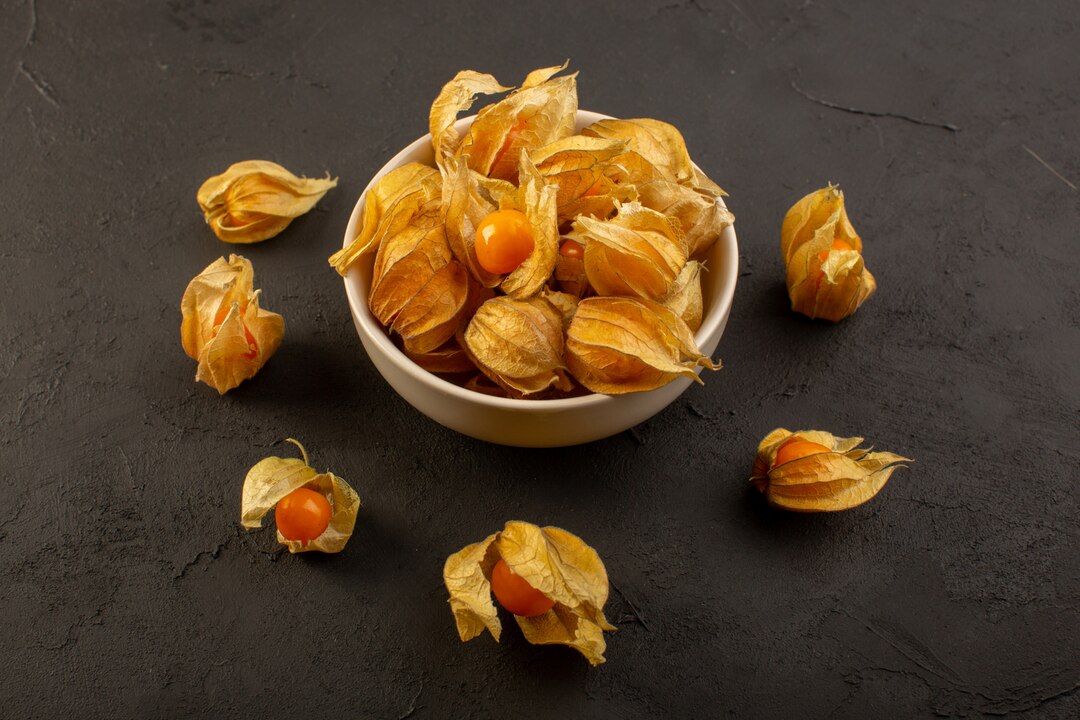
Cape gooseberries, or physalis, are small, golden-orange fruits encased in papery husks. Native to South Africa, Cape gooseberries have a sweet-tart flavor with floral undertones, making them a favorite ingredient in both sweet and savory dishes. In South African cuisine, Cape gooseberries are used to make jams, chutneys, desserts, and salads, adding a burst of color and flavor to each dish. Rich in vitamins A and C, as well as antioxidants, Cape gooseberries offer numerous health benefits and are a delightful addition to any meal.
South African cuisine is a celebration of the country’s rich cultural heritage and diverse natural landscapes. By exploring indigenous ingredients such as rooibos, spekboom, amaranth, Kalahari melon, marula, and Cape gooseberries, we gain a deeper appreciation for the flavors, textures, and traditions that define South African cooking. Whether enjoyed in traditional dishes or innovative culinary creations, these indigenous ingredients reflect the resilience, ingenuity, and creativity of the people who call South Africa home. So why not embark on your own culinary adventure and discover the delights of South African cuisine for yourself?