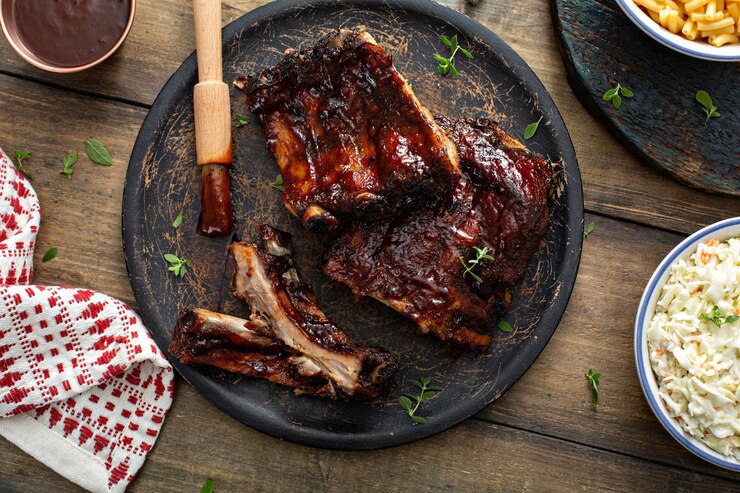
Few meals bring people together quite like a generous platter of tender barbecue ribs coated in a rich, sticky homemade sauce. Whether you are planning a relaxed Saturday braai, a family lunch or a weekend gathering with friends, BBQ ribs make an impressive centrepiece that everyone will look forward to enjoying. The secret to delicious ribs lies in choosing quality meat, seasoning it well and cooking it slowly until the meat becomes tender and full of flavour. A homemade barbecue sauce adds another layer of deliciousness, combining sweetness, tanginess, smokiness and a gentle hint of spice. Although ribs are often associated with outdoor grilling, you can achieve excellent results using an oven, a charcoal braai or a gas grill. With a few simple ingredients and the right cooking techniques, you can prepare restaurant-quality barbecue ribs in your own kitchen or backyard. This guide covers everything you need to know, from selecting the best ribs and making a flavourful sauce to cooking, glazing and serving the ultimate weekend feast.
Choosing the Best Ribs for BBQ
Selecting the right cut of pork or beef ribs makes a significant difference to the final result. Both options work beautifully with homemade barbecue sauce, but they have different textures, cooking times and flavour profiles.
Pork Ribs
Pork ribs are a popular choice for classic barbecue because they become tender and juicy when cooked slowly. They also pair exceptionally well with sweet, smoky sauces made with tomato, brown sugar and spices.
- Pork spare ribs: These come from the belly side of the rib cage and are usually larger, meatier and richer in flavour.
- Baby back ribs: Cut from the upper rib area near the backbone, these are generally smaller, leaner and quicker to cook.
- St Louis-style ribs: These are trimmed spare ribs with a more uniform shape, making them convenient for even cooking and serving.
Beef Ribs
Beef ribs offer a deeper, meatier flavour and are ideal for anyone who prefers a hearty barbecue feast. Short ribs contain plenty of connective tissue that becomes wonderfully tender during slow cooking, while beef back ribs often have less meat between the bones.
For a first attempt, pork spare ribs or baby back ribs are excellent choices because they are widely available and work well with a variety of homemade sauces.
The Secret to Tender, Flavourful BBQ Ribs
Great barbecue ribs require more than simply coating meat in sauce and placing it over a fire. A few preparation steps help develop flavour, improve texture and prevent the meat from drying out.
Remove the Membrane
Many racks of ribs have a thin, silvery membrane on the bone side. This membrane can remain chewy after cooking, so removing it helps improve the eating experience. Slide a blunt knife under the membrane at one end, grip it with a piece of paper towel and gently pull it away from the ribs. Some racks are sold with the membrane already removed.
Season the Meat Generously
A dry rub creates a flavourful base that complements the homemade barbecue sauce. A balanced combination of salt, black pepper, paprika, garlic powder, onion powder and brown sugar gives the ribs a savoury, slightly sweet crust.
Apply the rub evenly over both sides of the meat and gently massage it into the surface. If time allows, refrigerate the seasoned ribs for two to four hours or overnight in a covered container for deeper flavour.
Cook Slowly Before Glazing
Ribs benefit from gentle cooking because their connective tissue needs time to soften. Cooking them too quickly over intense heat can leave the meat tough on the inside and burnt on the outside.
For oven-cooked ribs, a covered roasting tray helps retain moisture. On the braai, indirect heat allows the ribs to cook without sitting directly above the hottest coals. Add the barbecue sauce towards the end of cooking because the sugars in the sauce can burn when exposed to high heat for too long.
Recipe 1: Tender Oven-Baked BBQ Ribs
This oven-baked BBQ ribs recipe is ideal when you want tender, flavourful ribs without needing a smoker or outdoor grill. The ribs cook slowly under a cover before being glazed with homemade barbecue sauce and finished at a higher temperature to create a sticky, caramelised coating.
Preparation time: 20 minutes
Cooking time: 2½ to 3 hours
Serves: 4
Ingredients
For the ribs:
- 1.5 to 2 kg pork spare ribs or baby back ribs
- 2 tablespoons olive oil
- 2 teaspoons smoked paprika
- 2 teaspoons brown sugar
- 1 teaspoon garlic powder
- 1 teaspoon onion powder
- 1 teaspoon ground cumin
- 1 teaspoon salt, or to taste
- ½ teaspoon freshly ground black pepper
- ½ teaspoon chilli powder, optional
- 125 ml water or apple juice
For the homemade barbecue sauce:
- 250 ml tomato sauce or ketchup
- 60 ml tomato paste
- 60 ml apple cider vinegar
- 80 g brown sugar
- 30 ml Worcestershire sauce
- 15 ml Dijon or American mustard
- 2 cloves garlic, finely minced
- 1 teaspoon smoked paprika
- ½ teaspoon ground black pepper
- ½ teaspoon chilli flakes, optional
- 30 ml honey, optional, for extra sweetness
Method
- Preheat the oven to 150°C. Line a deep roasting tray with foil or use a suitable covered roasting dish to make cleanup easier.
- Prepare the ribs by removing the membrane from the bone side if necessary. Pat the meat dry with paper towel so the seasoning adheres properly.
- Combine the smoked paprika, brown sugar, garlic powder, onion powder, cumin, salt, black pepper and chilli powder in a small bowl.
- Rub the olive oil over the ribs, then coat both sides evenly with the seasoning mixture. Massage the spices into the meat, paying particular attention to the thicker sections.
- Place the ribs in the roasting tray with the meat side facing upwards. Pour the water or apple juice into the bottom of the tray without washing the seasoning off the meat.
- Cover the tray tightly with foil or a lid. Bake for approximately 2 to 2½ hours for baby back ribs or 2½ to 3 hours for larger spare ribs. Cooking time varies according to the thickness of the meat, so check tenderness as the ribs cook.
- While the ribs are baking, prepare the homemade barbecue sauce. Combine the tomato sauce, tomato paste, apple cider vinegar, brown sugar, Worcestershire sauce, mustard, garlic, smoked paprika, black pepper and optional chilli flakes in a saucepan.
- Bring the sauce to a gentle simmer over medium-low heat, stirring regularly. Reduce the heat and cook for 15 to 20 minutes until slightly thickened. Stir in the optional honey and taste the sauce, adjusting the sweetness, acidity or spice to suit your preference.
- Remove the ribs from the oven once they are tender. Carefully uncover the tray, watching out for hot steam, and transfer the ribs to a foil-lined baking tray.
- Brush a generous layer of barbecue sauce over the meat side. Increase the oven temperature to 220°C and return the ribs to the oven uncovered for 10 to 15 minutes, until the sauce becomes glossy and lightly caramelised.
- For a thicker glaze, brush on another layer of sauce and cook for a further three to five minutes, watching closely to prevent burning.
- Rest the ribs for five to ten minutes before cutting between the bones. Serve hot with extra homemade barbecue sauce on the side.
Tips for Perfect Oven-Baked Ribs
Keep the roasting tray tightly covered during the initial cooking stage to help prevent moisture loss. If the ribs are still firm when the recommended cooking time has passed, cover them again and continue cooking until tender. Avoid repeatedly opening the oven because this allows heat to escape and can extend the cooking time.
For a slightly smoky flavour, use smoked paprika in the dry rub and sauce. If you have a grill, you can finish the cooked ribs over indirect heat for a few minutes to add a subtle grilled flavour and attractive char marks.
Recipe 2: Sticky BBQ Ribs on the Braai
For a traditional South African weekend feast, cooking ribs on the braai brings a wonderful smoky flavour that complements the homemade sauce. The key is to use moderate indirect heat rather than placing the ribs directly over intensely hot coals for the entire cooking time.
Preparation time: 20 minutes, plus optional marinating time
Cooking time: Approximately 2 to 3 hours, depending on the ribs and braai temperature
Serves: 4
Ingredients
For the ribs:
- 1.5 to 2 kg pork spare ribs
- 2 tablespoons olive oil
- 2 teaspoons smoked paprika
- 1 teaspoon garlic powder
- 1 teaspoon onion powder
- 2 teaspoons brown sugar
- 1 teaspoon ground coriander
- 1 teaspoon salt
- ½ teaspoon black pepper
- ½ teaspoon chilli powder, optional
For the sticky barbecue glaze:
- 200 ml homemade barbecue sauce from Recipe 1
- 2 tablespoons honey
- 1 tablespoon Worcestershire sauce
- 1 tablespoon apple cider vinegar
- 1 teaspoon smoked paprika
Method
- Prepare the ribs by removing the membrane if necessary. Pat them dry and rub with olive oil.
- Mix the smoked paprika, garlic powder, onion powder, brown sugar, ground coriander, salt, black pepper and optional chilli powder in a bowl.
- Coat the ribs evenly with the dry rub. Cover and refrigerate for at least two hours if time allows, or overnight for a more developed flavour. Keep the ribs refrigerated during marinating.
- Prepare the braai for indirect cooking. Arrange the coals on one side of the braai and leave the other side without direct coals. Allow the fire to settle until you have a steady moderate heat rather than fierce flames.
- Place the ribs on the cooler side of the braai, away from direct heat. Close the lid if your braai has one, keeping the temperature around 150°C to 170°C where possible.
- Cook the ribs for approximately 1½ to 2½ hours, turning them occasionally for even cooking. The exact time will depend on the cut, thickness and temperature of the fire.
- Meanwhile, mix the homemade barbecue sauce with the honey, Worcestershire sauce, apple cider vinegar and smoked paprika in a small saucepan. Warm gently for five minutes until smooth and glossy.
- Check the ribs for tenderness. The meat should be softening and pulling back slightly from the ends of the bones. If the ribs are still tough, continue cooking over indirect heat.
- Brush a thin layer of glaze over the ribs during the final 15 to 20 minutes of cooking. Turn the ribs occasionally and apply additional layers, allowing each one to set before adding the next.
- Move the ribs briefly over a slightly hotter section of the braai if you want a lightly charred finish. Keep them moving and watch carefully because the sugars in the sauce can burn quickly.
- Remove the ribs from the braai once they are tender and the glaze is sticky. Rest for five to ten minutes, then slice between the bones and serve with extra warmed sauce.
How to Avoid Dry or Burnt Ribs on the Braai
The most common mistake is cooking ribs directly over very hot coals for too long. This can burn the outside before the connective tissue has softened. Indirect heat gives the meat time to become tender while allowing the smoky flavour to develop gradually.
Do not apply a thick layer of sugary sauce at the beginning of cooking. Start glazing near the end and keep a close eye on the ribs during the final stage. If the braai becomes too hot, move the ribs further away from the coals rather than allowing the sauce to scorch.
How to Make the Best Homemade BBQ Sauce
Homemade barbecue sauce is easy to prepare and gives you control over the sweetness, tanginess, spice and smoky flavour. Unlike many ready-made sauces, a homemade version can be adjusted to complement the seasoning used on your ribs.
The sauce in these recipes combines tomato sauce for body, tomato paste for richness, vinegar for acidity and brown sugar for sweetness. Worcestershire sauce adds savoury depth, while mustard balances the sweetness and smoked paprika creates a classic barbecue flavour.
How to Adjust the Flavour
- For a sweeter sauce: Add a little more brown sugar or honey.
- For a tangier sauce: Increase the apple cider vinegar by one teaspoon at a time.
- For a smokier sauce: Add extra smoked paprika or a small amount of liquid smoke, if available.
- For a spicy sauce: Add chilli flakes, cayenne pepper or finely chopped fresh chilli.
- For a richer sauce: Add a little extra tomato paste and simmer until the desired consistency is reached.
- For a less sweet sauce: Reduce the brown sugar and omit the honey.
Simmer the sauce gently rather than boiling it vigorously. Stir frequently to prevent sticking, particularly as the sauce thickens. Let it cool slightly before transferring it to a clean container.
Can You Make BBQ Sauce Ahead of Time?
Yes, and preparing the sauce ahead of time makes weekend cooking easier. Make it up to three days in advance and store it in a clean, airtight container in the refrigerator. Reheat gently before serving, adding a small splash of water if it has thickened too much.
For food safety, keep sauce that has touched raw meat separate from the clean serving sauce. If you want to reuse a marinade that has been in contact with raw meat, bring it to a full boil before using it, or preferably reserve a separate portion of fresh sauce for glazing and serving.
The Best Side Dishes to Serve with BBQ Ribs
A great rib feast deserves sides that balance the rich, smoky meat and sticky sauce. Choose a mixture of fresh vegetables, comforting starches and crisp textures to create a satisfying meal.
Classic Braai Sides
Creamy coleslaw: Shredded cabbage and carrots tossed in a tangy mayonnaise dressing provide a cool, crunchy contrast to the ribs.
Braai garlic bread: Warm garlic bread is ideal for soaking up extra barbecue sauce and is easy to prepare while the ribs finish cooking.
Grilled mielies: Brush corn on the cob with butter, season with salt and pepper, then grill until lightly charred. A squeeze of lemon adds freshness.
Roasted baby potatoes: Toss halved potatoes with olive oil, garlic, rosemary, salt and pepper, then roast until golden and crisp.
Fresh and Lighter Options
Green salad: Combine lettuce, cucumber, tomatoes and red onion with a simple lemon dressing to cut through the richness of the ribs.
Tomato and onion salad: Ripe tomatoes, thinly sliced onion, fresh herbs and a little vinegar create a refreshing accompaniment.
Grilled vegetables: Courgettes, peppers, mushrooms and aubergines develop a delicious smoky flavour when cooked over moderate heat.
Pickled vegetables: Gherkins, pickled onions or jalapeños add sharpness that balances the sweetness of barbecue sauce.
For an easy weekend menu, serve the ribs with creamy coleslaw, roasted potatoes and grilled mielies. These sides can be prepared while the ribs cook, making it easier to serve everything together.
Tips for Planning the Ultimate Weekend BBQ Feast
Good preparation makes hosting easier and allows you to spend more time with your guests instead of rushing between the kitchen and braai.
Prepare Ingredients in Advance
Make the barbecue sauce a day or two before your gathering and store it in the refrigerator. Mix the dry rub in advance and measure out your ingredients so you can season the ribs quickly. You can also chop vegetables and prepare coleslaw dressing ahead of time.
Plan Your Cooking Schedule
Ribs need time to become tender, so start cooking earlier than you think you need to. Allow extra time for thicker racks, particularly if you are cooking several portions at once. Keep side dishes and serving platters ready before the ribs reach the glazing stage.
Cook for a Crowd
As a general guide, allow approximately 400 to 500 g of raw ribs per adult when serving several substantial side dishes. Increase the amount if ribs are the main attraction and your guests have hearty appetites. For larger gatherings, cook the ribs in batches or use an oven to tenderise them before finishing them on the braai.
Keep Food Safe
Keep raw ribs refrigerated until preparation and use separate utensils and boards for raw meat and ready-to-eat foods. Cook the ribs until tender, using a food thermometer where appropriate to check that the meat has reached a safe temperature. Tenderness is important for the best eating quality, but appearance alone cannot confirm food safety. Refrigerate leftovers within two hours of serving, using shallow airtight containers, and reheat them thoroughly before eating.
Common BBQ Ribs Mistakes to Avoid
Even a simple rib recipe can go wrong if the cooking temperature or timing is not managed carefully. Avoid these common mistakes for better results.
- Cooking over excessive heat: High heat can burn the surface before the meat becomes tender. Use low oven heat or indirect braai heat for the main cooking stage.
- Skipping the seasoning: Ribs benefit from a well-balanced dry rub, which builds flavour beneath the sauce.
- Adding sauce too early: Sugary ingredients can burn during long cooking. Apply most of the sauce near the end.
- Cutting the ribs immediately: A short resting period helps the juices settle and makes the ribs easier to handle.
- Using only sweetness for flavour: Balance brown sugar and honey with vinegar, mustard, garlic and savoury seasonings.
- Ignoring the thickness of the meat: Cooking times are estimates. Check tenderness and allow additional cooking time if needed.
- Forgetting the sides: Fresh salads and crisp vegetables help balance a rich barbecue meal and make the feast feel complete.
BBQ ribs are at their best when the meat is tender, the seasoning is well balanced and the homemade sauce creates a glossy, flavourful finish. With these oven-baked and braai recipes, you can choose the cooking method that suits your weekend plans while still serving a memorable meal. The homemade barbecue sauce is easy to customise, allowing you to create a sweeter, tangier, smokier or spicier glaze according to your family’s preferences. Pair the ribs with classic sides such as coleslaw, garlic bread, roasted potatoes and grilled mielies for a satisfying spread. Preparing the sauce and seasoning ahead of time makes entertaining less stressful and gives the flavours more opportunity to develop. Whether you are cooking for a small family lunch or a lively backyard gathering, these practical techniques will help you achieve delicious results without complicated equipment. Make these BBQ ribs with homemade sauce the centrepiece of your next weekend feast and enjoy the wonderful combination of smoky aromas, sticky glaze and food shared around the table.