Keeping bread fresh can be a challenge, especially when you want to avoid using the freezer. Bread loses its texture and flavor quickly if stored improperly, but there are effective ways to extend its shelf life. Choosing the right storage method and environment can keep bread soft and flavorful for several days.
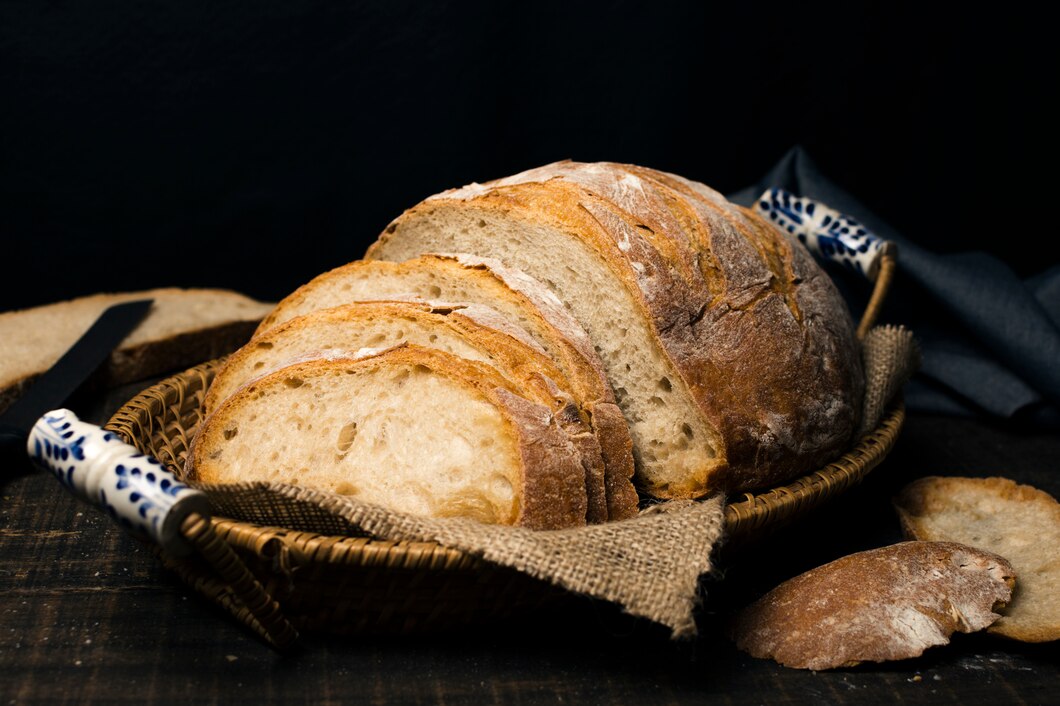
One of the simplest methods is to use a bread box. Bread boxes allow airflow while protecting bread from direct air exposure that causes drying. Place your loaf inside a bread box, preferably on a clean cloth or paper liner. Avoid storing bread near heat sources, as warmth accelerates staling.
Paper bags or cloth bags are also effective alternatives. Wrapping bread in a paper bag helps prevent moisture buildup, while cloth bags allow the bread to breathe. For added protection, you can place the wrapped bread inside a partially sealed plastic bag to slow down moisture loss without creating condensation.
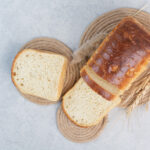
For sliced bread, keep the cut side covered. Use a reusable silicone bag or wrap the exposed part with a clean kitchen towel. Avoid storing bread in the refrigerator, as cold temperatures accelerate staling by drying it out faster than room temperature.
Another tip is to buy smaller loaves or portion bread into smaller servings. This reduces the time a loaf sits open after slicing. If your bread is homemade, make sure it cools completely before storing. Warm bread trapped in a bag or container can create condensation, leading to mold growth.
Reviving slightly stale bread is possible without freezing. Lightly toast slices or warm the whole loaf in the oven at low temperature for a few minutes. This restores some of the original texture and flavor.
Keeping bread fresh without freezing requires the right storage, controlled moisture, and portion management. Using a bread box, paper or cloth bags, and avoiding the refrigerator ensures your bread stays soft, flavorful, and enjoyable longer. These methods work for store-bought and homemade bread alike.