Onions and shallots are staple ingredients in kitchens worldwide. Both belong to the Allium family and add flavor and aroma to dishes. Despite their similarities, they have distinct characteristics that affect taste, texture, and cooking uses. Understanding the difference between onions and shallots helps you choose the right ingredient for your recipes. This article explains what sets them apart and how to use each effectively.
Appearance and Size
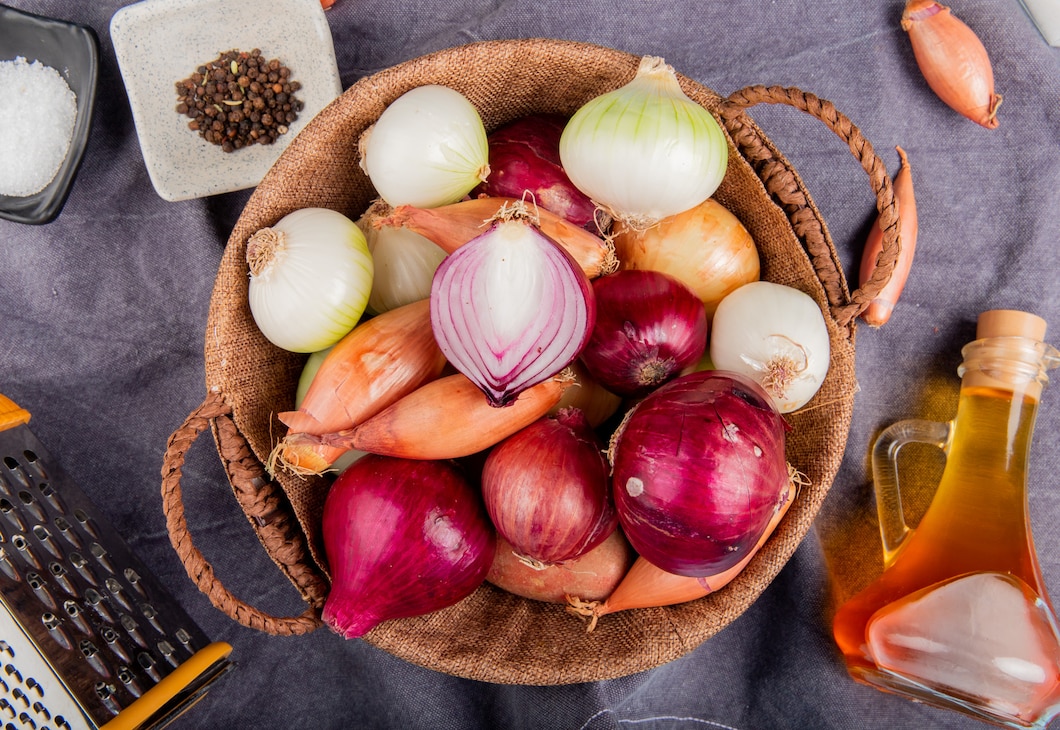
Onions are generally larger than shallots. They come in various colors, including white, yellow, and red. Their layers are thick and firm. Shallots are smaller, usually elongated or oval-shaped. Their skin is thinner and often reddish, copper, or pale brown. Inside, shallots have multiple cloves similar to garlic.
Flavor Profile
The biggest difference lies in taste. Onions have a sharper, more pungent flavor with a slight sweetness when cooked. Yellow onions offer a balance of sweetness and sharpness. Red onions are milder and often eaten raw in salads. White onions have a clean, crisp taste.
Shallots have a milder, more delicate flavor than onions. They combine sweet and subtle garlic notes. Their taste is less intense and more refined, making them ideal for sauces, dressings, and delicate dishes.
Texture and Cooking Behavior
Onions have a firm texture that softens when cooked. They caramelize well, developing rich sweetness and depth. Onions can stand up to longer cooking times and higher heat.
Shallots have a finer, softer texture. They cook faster and become almost creamy when sautéed. Because of their delicate nature, shallots work best in dishes requiring gentle cooking, such as vinaigrettes, emulsions, or finishing sauces.
Culinary Uses
- Onions: Common in soups, stews, sautés, and roasts. Their bold flavor supports hearty dishes like chili, curry, and casseroles. Onions also work well raw in salads, sandwiches, and salsas.
- Shallots: Preferred in French and fine dining recipes. Use them in salad dressings, beurre blanc sauce, vinaigrettes, and as a garnish. They complement fish, poultry, and vegetable dishes where subtle flavor is desired.
Substitution Tips
If you don’t have shallots, finely chopped onions can substitute, but use less as onions are stronger. Soaking chopped onions in cold water reduces sharpness. Conversely, substituting shallots for onions will yield a milder taste and softer texture.
Nutritional Differences
Both onions and shallots are low in calories and provide vitamins C and B6, manganese, and antioxidants. Shallots contain slightly higher levels of antioxidants and some minerals, but the difference is minimal in typical cooking amounts.
Storage and Shelf Life
Onions store well in cool, dry, and ventilated spaces for several weeks. Shallots have a shorter shelf life and require similar conditions but should be used within a few weeks to maintain freshness.
Onions and shallots share a botanical family but differ in size, flavor, texture, and culinary uses. Onions offer a bolder, more robust flavor suited to hearty dishes. Shallots provide a mild, refined taste ideal for delicate recipes and dressings. Knowing these differences helps you pick the right allium to enhance your cooking. Use onions for strength and depth, shallots for subtlety and elegance. Both add valuable flavor and aroma to your kitchen repertoire.