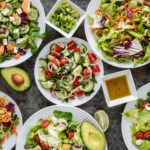

Cooking with seasonal produce is a simple way to improve flavor, nutrition, and sustainability in your kitchen. Fruits and vegetables harvested at their peak are fresher, more flavorful, and often more affordable. Using seasonal ingredients also reduces environmental impact by supporting local farmers and reducing the need for long-distance transportation. A seasonal produce guide helps you plan meals, shop smartly, and enjoy the freshest ingredients year-round.
Why Seasonal Produce Matters
Produce eaten in season has higher nutrient content and better taste than out-of-season alternatives. Seasonal eating also encourages variety in your diet, introducing new fruits and vegetables as they come into harvest. Supporting local markets benefits communities and promotes sustainable farming practices.
Spring Produce
Spring brings a variety of tender, vibrant vegetables and early fruits. Common options include asparagus, baby spinach, peas, radishes, strawberries, and cherries. These ingredients are perfect for light salads, fresh smoothies, and simple sautés.
Recipe Idea: Spring Spinach and Strawberry Salad – Combine baby spinach, sliced strawberries, toasted almonds, and a drizzle of balsamic vinegar for a fresh and colorful salad.
Summer Produce
Summer offers heat-loving fruits and vegetables at their peak, including tomatoes, zucchinis, corn, peaches, plums, and berries. These are ideal for grilling, roasting, or enjoying fresh.
Recipe Idea: Grilled Summer Vegetable Platter – Slice zucchinis, peppers, and corn, drizzle with olive oil, and grill until tender. Serve with a side of fresh herbs and lemon juice.
Autumn Produce
Autumn brings earthy and hearty produce such as pumpkins, butternut squash, sweet potatoes, apples, pears, and carrots. These ingredients work well in soups, stews, and roasted dishes.
Recipe Idea: Roasted Butternut and Apple Soup – Roast cubes of butternut squash and apples with a little olive oil and cinnamon, then blend with vegetable stock for a warming autumn soup.
Winter Produce
Winter vegetables are robust and comforting, including cabbage, kale, leeks, citrus fruits, and root vegetables like turnips and parsnips. These ingredients are perfect for hearty stews, roasted vegetables, and citrus-based desserts.
Recipe Idea: Citrus Kale Salad – Toss chopped kale with segmented oranges, a sprinkle of pomegranate seeds, and a light olive oil and lemon dressing for a bright winter salad.
Tips for Using Seasonal Produce
Check local markets regularly to discover what is fresh and available.
Store vegetables and fruits according to type to maintain freshness.
Experiment with new recipes to make the most of seasonal variety.
Combine seasonal produce with pantry staples like grains and legumes for balanced meals.
Using a seasonal produce guide ensures your kitchen is stocked with the freshest, most flavorful ingredients throughout the year. By planning meals around what is in season, you enhance nutrition, save money, and support local agriculture while enjoying a variety of dishes inspired by nature’s calendar.