
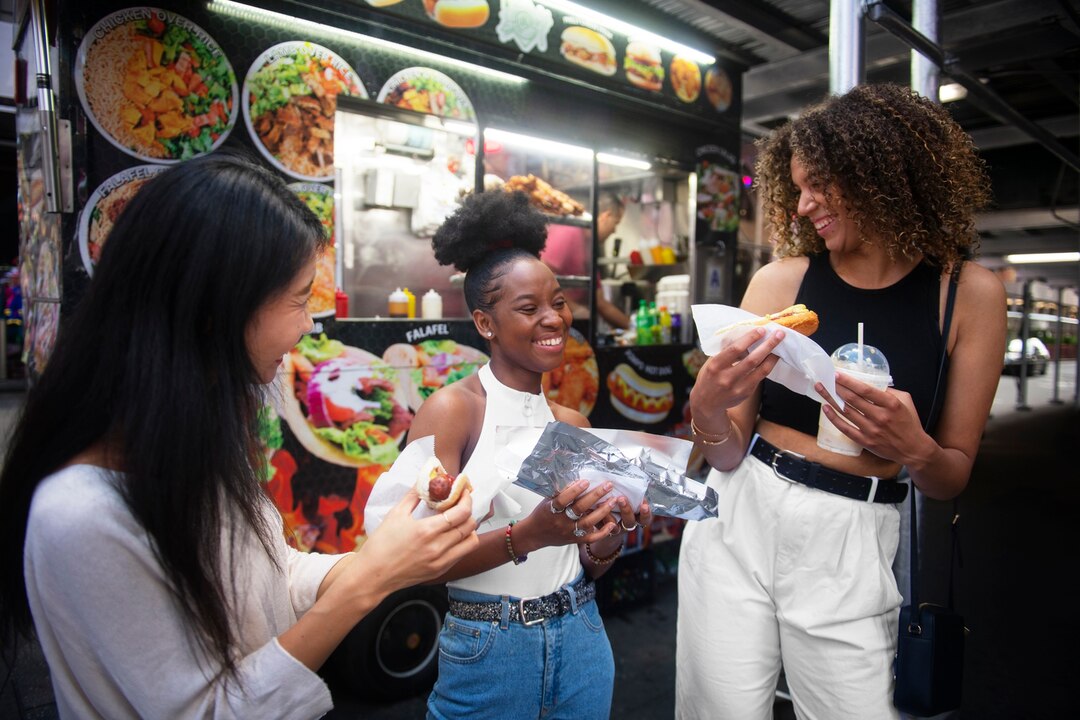
Street food markets are a vibrant and essential part of global culinary culture, offering a window into the traditions, flavors, and ingenuity of communities worldwide. From humble beginnings in ancient civilizations to becoming multi-billion-dollar global industries today, the evolution of street food markets reflects shifts in societal trends, economic landscapes, and culinary innovations.
Ancient Beginnings
The origins of street food date back thousands of years to ancient civilizations where vendors sold simple, ready-to-eat meals to travelers, workers, and the urban poor.
- Ancient Egypt: Evidence shows that workers building the pyramids were sustained by street vendors selling bread and beer.
- Ancient Greece: Vendors sold small fried fish, a popular snack for those who couldn’t afford elaborate home-cooked meals.
- Ancient Rome: Street food was integral to Roman cities, with vendors offering bread, olives, sausages, and stews from portable stalls.
In these early societies, street food was not just a convenience but a necessity for laborers and the lower classes who lacked access to cooking facilities at home.
The Role of Street Food in Medieval and Early Modern Times
During the Middle Ages, street food markets flourished across Asia, Europe, and the Middle East.
- Asia: In countries like China, hawkers sold noodles, dumplings, and tea to bustling city dwellers.
- Middle East: Markets, or souks, became hubs for kebabs, flatbreads, and aromatic spices, catering to travelers and traders.
- Europe: Vendors in cities like Paris and London offered pies, roasted meats, and other inexpensive fare to meet the growing demand from urban workers.
These street markets were often regulated to ensure food safety and fair trade, laying the groundwork for modern food market governance.
Industrialization and the Expansion of Street Food
The 18th and 19th centuries saw the industrial revolution transform cities and create a larger working-class population reliant on cheap, accessible meals.
- Europe and North America: Street vendors expanded their offerings, introducing foods like hot dogs in New York and fish and chips in London, which became iconic.
- Africa: As colonial economies grew, local street food markets adapted, blending indigenous dishes with colonial influences. For example, South Africa’s bunny chow—a hollowed-out loaf of bread filled with curry—became a staple street food in Durban.
- Asia: Countries like India and Thailand developed rich street food traditions, offering flavorful dishes like samosas, chaats, and pad Thai at bustling markets.
The Globalization of Street Food
The 20th century marked the globalization of street food markets, driven by urbanization, migration, and the increasing popularity of global cuisines.
- Urbanization: As cities expanded, street food markets provided affordable, quick meals for workers and students.
- Migration: Immigrants introduced their traditional cuisines to new regions, enriching street food offerings worldwide.
- Tourism: The rise of travel in the mid-20th century brought international attention to iconic street food hubs like Bangkok’s night markets or Mexico City’s taquerías.
The Modern Street Food Movement
Today, street food markets have evolved into celebrated culinary destinations, attracting both locals and tourists.
- Food Trucks: In cities worldwide, food trucks offer gourmet takes on traditional street food, blending innovation with tradition.
- Market Revivals: Historic markets have been revitalized, like the Neighbourgoods Market in Johannesburg or Cape Town’s Old Biscuit Mill, showcasing South Africa’s culinary diversity.
- Digital Integration: Technology has also transformed street food, with vendors using delivery apps to reach more customers.
Street Food in South Africa
South Africa’s street food markets reflect the country’s rich cultural heritage, blending flavors from indigenous, African, European, and Asian influences.
- Bunny Chow: Originating in Durban, this iconic dish combines Indian curry with a distinctly South African twist.
- Boerewors Rolls: A beloved staple sold at markets and street corners nationwide.
- Vetkoek and Amagwinya: Deep-fried dough balls served plain or stuffed with savory fillings, showcasing the ingenuity of local flavors.
- Shisanyama: Popular in townships, it brings communities together over grilled meat and traditional sides.
The Future of Street Food Markets
As global tastes evolve, street food markets are adapting to modern demands for healthier, more sustainable options. Vendors are incorporating organic ingredients, eco-friendly packaging, and diverse dietary offerings, ensuring street food remains relevant in the 21st century.
From ancient street corners to modern-day food festivals, street food markets have been a testament to human creativity, resilience, and community spirit. They continue to connect people to their heritage while evolving to meet the tastes and needs of a dynamic world. In South Africa and beyond, street food markets are more than a source of sustenance—they’re a celebration of culture, flavor, and innovation.