
By using this site, you agree to the Privacy Policy and Terms of Use.
Accept

Foodie

Foodie Mag for all you South African Meals, Recipes, Restaurants and Food Products!

  • Home
  • Eat
  • Drink
  • Dine
  • Recipes
  • Baking
  • Healthy
  • Lifestyle
  • Lists
  • Explore
  • Contact
    • About Us
Search
  • Complaint
  • Advertise
© 2022 Foxiz News Network. Ruby Design Company. All Rights Reserved.
Reading: 10 Foods That Can Be Poisonous Due to Pesticide Residue
Share
Notification Show More
Aa

Foodie

Foodie Mag for all you South African Meals, Recipes, Restaurants and Food Products!

Aa
  • Home
  • Eat
  • Drink
  • Dine
  • Recipes
  • Baking
  • Healthy
  • Lifestyle
  • Lists
  • Explore
  • Contact
Search
  • Home
  • Eat
  • Drink
  • Dine
  • Recipes
  • Baking
  • Healthy
  • Lifestyle
  • Lists
  • Explore
  • Contact
    • About Us
Have an existing account? Sign In
Follow US
  • Complaint
  • Advertise
© 2022 Foxiz News Network. Ruby Design Company. All Rights Reserved.
- Advertisement -
Foodie > Blog > Lists > 10 Foods That Can Be Poisonous Due to Pesticide Residue
Lists

10 Foods That Can Be Poisonous Due to Pesticide Residue

Foodie By Foodie Published August 15, 2024
Share
SHARE

Pesticide residues on food can pose health risks, including toxicity. Here are ten foods that are particularly vulnerable to pesticide contamination:

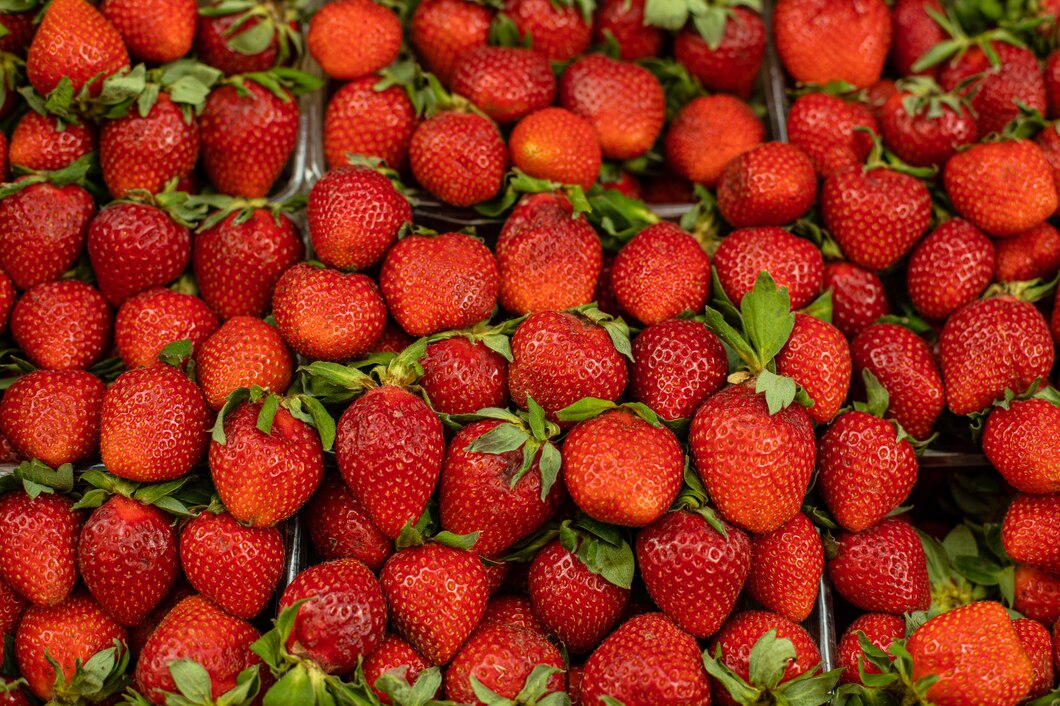
  1. Strawberries: Often have high pesticide levels due to their delicate skin.
  2. Spinach: Absorbs pesticides easily, making it a high-risk leafy green.
  3. Apples: Their skin retains pesticide residue even after washing.
  4. Grapes: Thin skins make them prone to pesticide contamination.
  5. Peaches: Soft skins allow pesticides to penetrate easily.
  6. Cherries: Frequently treated with multiple pesticides.
  7. Tomatoes: The thin skin can absorb pesticides.
  8. Potatoes: Pesticides can penetrate through the skin and into the flesh.
  9. Bell Peppers: Their uneven surface holds onto pesticide residues.
  10. Celery: Lacks a protective outer layer, making it highly susceptible.

To minimize exposure to harmful chemicals, opt for organic varieties of these foods when possible, and always wash produce thoroughly before consumption. Reducing pesticide intake is essential for long-term health and well-being.

You Might Also Like

The Top 10 Healthiest Foods for Kids

10 Mother’s Day Brunch Ideas That Feel Special and Effortless

15 Staple Foods to Make Healthy Eating Easy All Week Long

The 5 4 3 2 1 Grocery Method for Smarter Shopping and Balanced Meals

12 Foods You Should Stop Putting in the Refrigerator

Join 'Foodie Mag' WhatsApp Channel

Get the latest food recipes, tips and more! content delivered straight to your WhatsApp
CLICK HERE TO JOIN
Foodie August 15, 2024 August 15, 2024
Share this Article
Facebook Twitter Email Print
Previous Article 20 Foods South Africans Should Avoid to Prevent Diverticulitis Attacks
Next Article Laager Tea4Kidz Rooibos puts a healthy local spin on 3 TikTok foodie trends
- Advertisement -

Latest Posts

Quick French Onion Soup Recipes for Cozy Weeknight Dinners
Recipes
Healthy Shakshuka Recipes That Are Naturally Nutritious
Healthy Recipes
BBQ Brisket Ideas That Taste Like Pitmaster Favorites
Recipes
Grilled Mealies with Flavor Bomb Toppings
Recipes
Make-Ahead Cold Weather Breakfasts for Easy Weekdays
Recipes
Lunch Ideas That Keep You Warm and Full All Day
Recipes

Ad

Follow US

© Foodie Mag by Nine80 Digital Media. All Rights Reserved.

Welcome Back!

Sign in to your account

Lost your password?