By using this site, you agree to the Privacy Policy and Terms of Use.
Accept

Foodie

Foodie Mag for all you South African Meals, Recipes, Restaurants and Food Products!

  • Home
  • Eat
  • Drink
  • Dine
  • Recipes
  • Baking
  • Healthy
  • Lifestyle
  • Lists
  • Explore
  • Contact
    • About Us
Search
  • Complaint
  • Advertise
© 2022 Foxiz News Network. Ruby Design Company. All Rights Reserved.
Reading: Why You Should Season Your Soy Sauce
Share
Notification Show More
Aa

Foodie

Foodie Mag for all you South African Meals, Recipes, Restaurants and Food Products!

Aa
  • Home
  • Eat
  • Drink
  • Dine
  • Recipes
  • Baking
  • Healthy
  • Lifestyle
  • Lists
  • Explore
  • Contact
Search
  • Home
  • Eat
  • Drink
  • Dine
  • Recipes
  • Baking
  • Healthy
  • Lifestyle
  • Lists
  • Explore
  • Contact
    • About Us
Have an existing account? Sign In
Follow US
  • Complaint
  • Advertise
© 2022 Foxiz News Network. Ruby Design Company. All Rights Reserved.
- Advertisement -
Foodie > Blog > Explore > Why You Should Season Your Soy Sauce
Explore

Why You Should Season Your Soy Sauce

Foodie By Foodie Published August 8, 2025
Share
SHARE

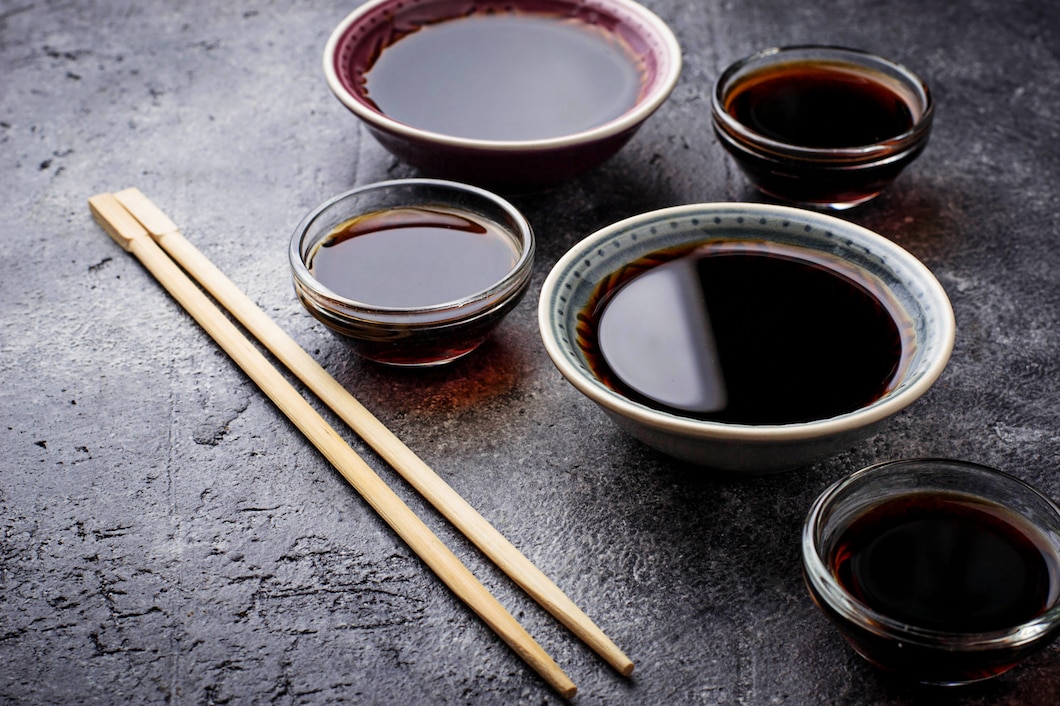
Soy sauce is a pantry staple in many homes. It adds saltiness and umami to food but using it straight from the bottle is not always the best option. Seasoning your soy sauce can enhance flavor, balance saltiness, and make your dishes more versatile.

Balances Saltiness
Regular soy sauce can be too salty for delicate dishes. Adding ingredients like mirin, rice vinegar, or a bit of sugar can soften the saltiness while keeping the umami depth. This balance makes it easier to pair with foods like sushi, dumplings, or grilled vegetables.

Boosts Aroma and Complexity
Infusing soy sauce with aromatics such as garlic, ginger, scallions, or dried chilies gives it a richer profile. The base flavor of soy sauce absorbs these notes, creating a sauce that feels fresher and more vibrant. This works well for dipping sauces and marinades.

Customizes Flavor for Specific Dishes
Seasoned soy sauce can be tailored for a recipe. For example, adding citrus juice or zest makes it brighter for seafood. Mixing in sesame oil adds nuttiness for stir-fries. This customization makes your cooking more dynamic.

Improves Pairing with Raw Foods
For foods like sashimi, spring rolls, or cold noodles, plain soy sauce can overpower. Seasoning it with lighter, fragrant additions creates a dipping sauce that complements without masking the main ingredient.

Extends Culinary Uses
Once seasoned, soy sauce is not just a condiment. It can serve as a salad dressing base, glaze for roasted meats, or even a flavor booster for soups. This versatility reduces the need for multiple bottled sauces in your kitchen.

Seasoning soy sauce is quick and requires no special tools. With a few additions, you turn a basic condiment into a signature element of your cooking, making every dish more balanced and flavorful.


You Might Also Like

Global Pancake Traditions You Must Try

Coastal Seafood Adventures in South Africa

Best Culinary Tours in the Cape Winelands

La Salud: Sandton’s New Global Culinary Escape

10 Best Restaurants in Kimberley Right Now (2025)

Join 'Foodie Mag' WhatsApp Channel

Get the latest food recipes, tips and more! content delivered straight to your WhatsApp
CLICK HERE TO JOIN
Foodie August 8, 2025 August 8, 2025
Share this Article
Facebook Twitter Email Print
Previous Article Breakfast Tacos Recipe
Next Article How to Pair Coffee with Food Like a Pro
- Advertisement -

Latest Posts

How to Make Perfect English Muffins at Home
Recipes
5 Creative Rice Cake Toppings You Need to Try Today
Recipes
5 Gnocchi Recipes That Are Soft, Pillowy and Irresistible
Recipes
How to Cook Halloumi Without It Turning Rubbery
Recipes
Booking restaurants in South Africa just got easier with AI in Search
Lifestyle News
Garlic Butter Mashed Potatoes You’ll Want on Repeat
Recipes

Ad

Follow US

© Foodie Mag by Nine80 Digital Media. All Rights Reserved.

Welcome Back!

Sign in to your account

Lost your password?