
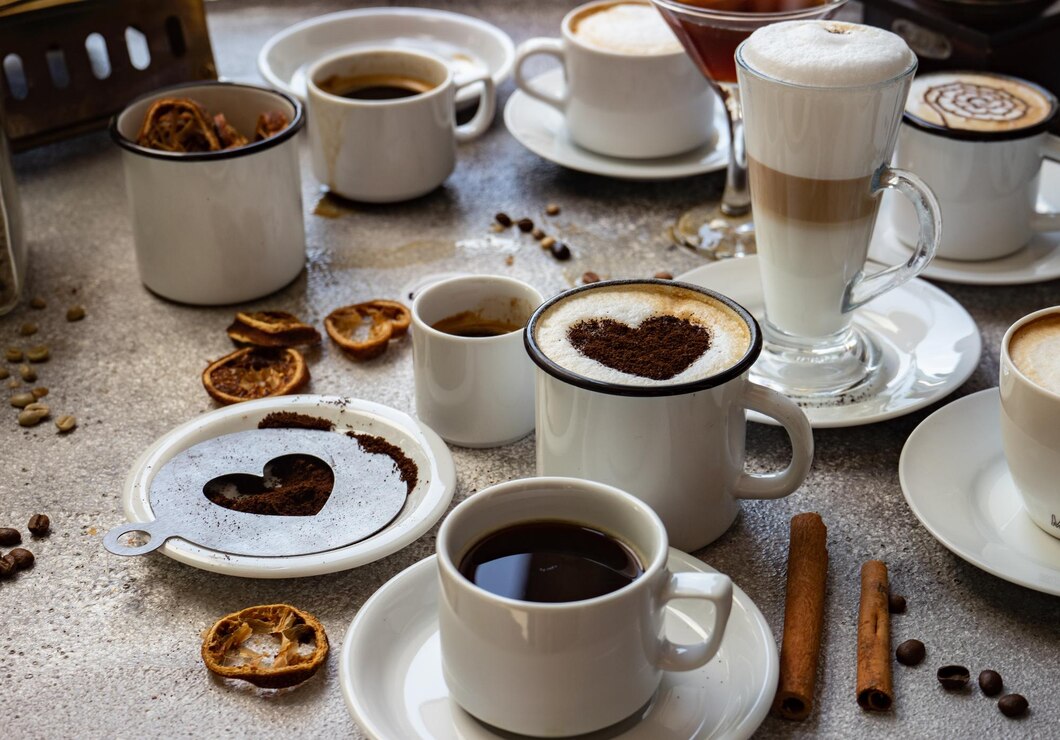
Understand Coffee Profiles
Coffee’s flavor depends heavily on three key factors: its origin, roast level, and processing method. The origin refers to the region or country where the coffee beans were grown, which affects soil, climate, and altitude—each influencing the beans’ taste profile. The roast level, ranging from light to dark, changes the bean’s chemical composition, bringing out different flavors such as acidity, sweetness, bitterness, or smokiness. Processing methods, like washed, natural, or honey processing, determine how the beans are dried and cleaned, further shaping the final flavor by enhancing fruity, clean, or complex notes. Together, these factors create the unique flavor characteristics you experience in each cup.
- Light roasts: Bright, acidic, fruity, floral.
- Medium roasts: Balanced acidity and sweetness, nutty or caramel tones.
- Dark roasts: Bold, bitter, smoky, chocolatey.
Knowing this helps you find the right match.
Match Coffee Intensity with Food Flavor
Stronger coffee pairs well with rich, bold foods. Lighter coffee suits delicate flavors.
- Strong coffee (dark roast) with chocolate, red meat, or spicy dishes.
- Medium roast with roasted vegetables, nuts, or grilled chicken.
- Light roast with fruit, salads, or mild cheeses.
This balance avoids overpowering or dulling flavors.
Pair Coffee with Sweet Foods
Coffee complements sweets when balanced right.
- Light or medium roasts with fruity desserts like berry tarts or citrus cakes.
- Dark roasts with chocolate desserts, brownies, or rich pastries.
- Espresso pairs well with creamy desserts such as tiramisu or panna cotta.
Try a splash of coffee with desserts to enhance complexity.
Explore Regional Pairings
Coffee and food from the same region often pair well.
- Ethiopian coffee with spiced lentils or fruit salads.
- Colombian coffee with tropical fruits or mild cheeses.
- Italian espresso with biscotti or tiramisu.
Regional pairing honors shared flavor traditions.
Use Coffee Brewing Method to Guide Pairing
Brewing style affects coffee taste.
- Pour-over highlights acidity and floral notes, good with fresh fruit or yogurt.
- French press delivers body and richness, pairs well with hearty dishes.
- Espresso offers intense flavor, ideal with sweet or creamy foods.
Match brewing style to the dish for harmony.
Experiment and Take Notes
Coffee pairing is subjective. Try different combos to find what you enjoy. Note which flavors work best together. Over time, you’ll develop your own rules.
Pairing coffee with food enhances the flavors of both, creating a richer and more enjoyable tasting experience. To do this well, start by matching the intensity of the coffee roast to the strength of the food’s flavors—bold, dark roasts work best with rich, heavy dishes, while lighter roasts complement delicate, subtle foods. Pay close attention to the specific flavor notes in your coffee, such as fruity, nutty, or chocolatey tones, and find foods that either contrast or harmonize with these characteristics. Consider pairing coffees and dishes from the same region, as they often share complementary flavor profiles shaped by their environment and traditions. Also, factor in how the coffee is brewed, since methods like pour-over, French press, or espresso influence the taste and body of the coffee, affecting which foods pair best. Regularly experiment with different combinations and take notes on what works for your palate. This detailed and thoughtful approach will help you consistently create balanced, memorable coffee and food pairings.