
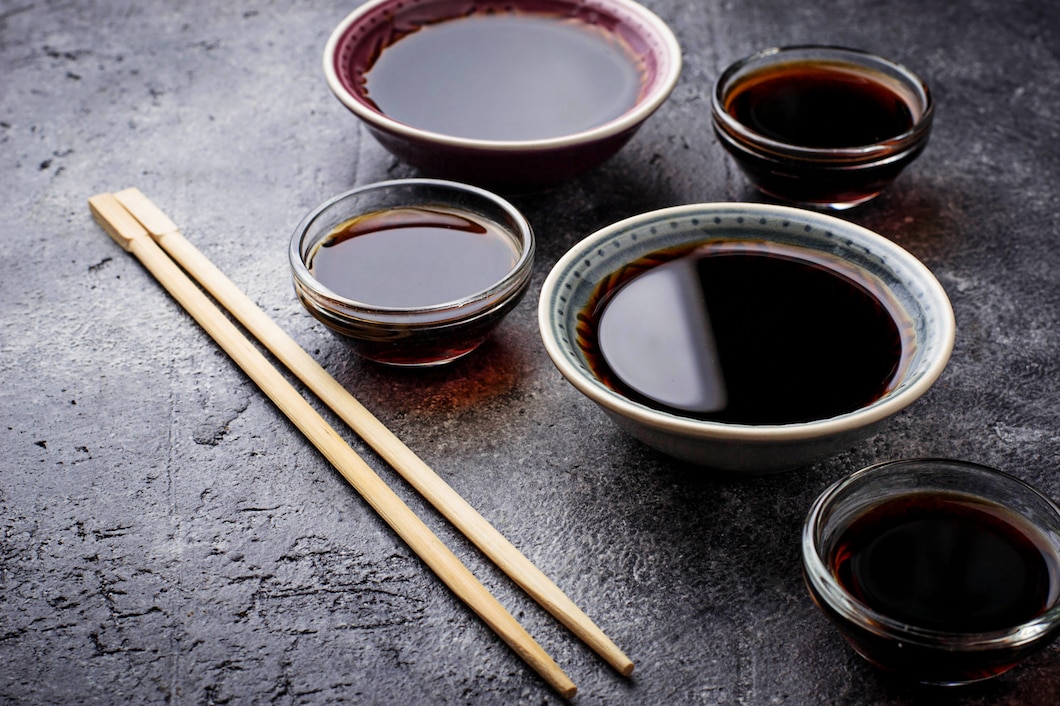
Soy sauce is a pantry staple in many homes. It adds saltiness and umami to food but using it straight from the bottle is not always the best option. Seasoning your soy sauce can enhance flavor, balance saltiness, and make your dishes more versatile.
Balances Saltiness
Regular soy sauce can be too salty for delicate dishes. Adding ingredients like mirin, rice vinegar, or a bit of sugar can soften the saltiness while keeping the umami depth. This balance makes it easier to pair with foods like sushi, dumplings, or grilled vegetables.
Boosts Aroma and Complexity
Infusing soy sauce with aromatics such as garlic, ginger, scallions, or dried chilies gives it a richer profile. The base flavor of soy sauce absorbs these notes, creating a sauce that feels fresher and more vibrant. This works well for dipping sauces and marinades.
Customizes Flavor for Specific Dishes
Seasoned soy sauce can be tailored for a recipe. For example, adding citrus juice or zest makes it brighter for seafood. Mixing in sesame oil adds nuttiness for stir-fries. This customization makes your cooking more dynamic.
Improves Pairing with Raw Foods
For foods like sashimi, spring rolls, or cold noodles, plain soy sauce can overpower. Seasoning it with lighter, fragrant additions creates a dipping sauce that complements without masking the main ingredient.
Extends Culinary Uses
Once seasoned, soy sauce is not just a condiment. It can serve as a salad dressing base, glaze for roasted meats, or even a flavor booster for soups. This versatility reduces the need for multiple bottled sauces in your kitchen.
Seasoning soy sauce is quick and requires no special tools. With a few additions, you turn a basic condiment into a signature element of your cooking, making every dish more balanced and flavorful.