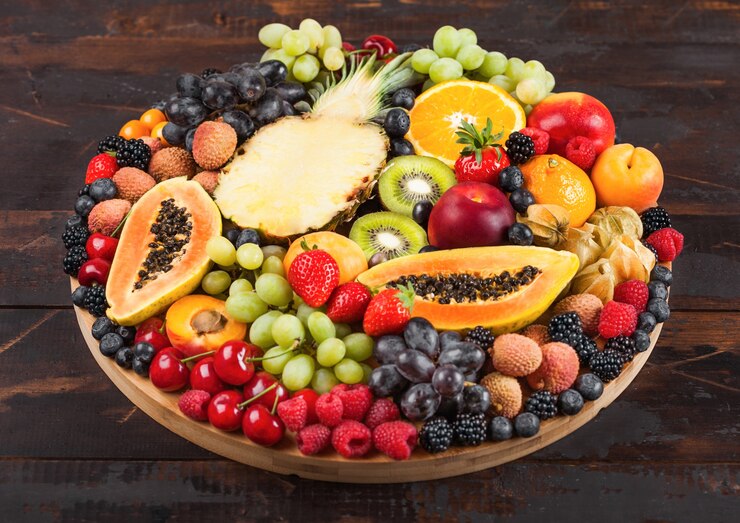
Seasonal fruit boards are a visually appealing and healthy way to entertain guests or elevate everyday meals. Using fresh, in-season fruits ensures vibrant colors, natural sweetness, and peak flavor. Creating a fruit board involves selecting a mix of textures, shapes, and hues to make the display both attractive and appetizing.
Start by choosing a base. Wooden boards, marble slabs, or large platters work well. Arrange larger fruits like pineapple, melon, or apples first. Slice them into manageable pieces while keeping some whole to add height and variety. This creates a foundation for layering smaller fruits.
Include a variety of fruits for color contrast. Berries, grapes, kiwi, and citrus slices add brightness and visual interest. Mix textures by combining soft fruits like mango or figs with crisp fruits like apples or pears. Edible flowers or fresh herbs like mint can enhance the look and add a subtle aroma.
For added flair, include complementary items such as nuts, dried fruits, or small bowls of yogurt or honey. These elements not only make the board more visually dynamic but also offer flavor variety. Try arranging fruits in patterns, clusters, or gradients of color to make the board look professionally styled.
Seasonal selection matters. In summer, include peaches, berries, and melons. In autumn, opt for figs, pomegranates, and grapes. Winter boards can feature citrus, kiwi, and persimmons. Using fruits at their seasonal peak ensures freshness, taste, and vibrant presentation.
When preparing the board, cut fruits just before serving to maintain freshness. Keep fruits like apples or pears from browning by lightly brushing with lemon juice. Balance sweet, tart, and mild flavors across the board to make every bite enjoyable.
Seasonal fruit boards combine creativity with health. By selecting fresh fruits, arranging them thoughtfully, and adding complementary items, you can create stunning displays that are perfect for gatherings, brunches, or simple everyday treats.